

A connected truck product can pass a workshop demonstration and still struggle at a customer’s loading bay. The difference may be the antenna position, the surrounding building, or the length of time the equipment remains parked without a dependable connection. A successful upload proves that communication worked under those particular conditions. It does not establish how the finished product behaves across a working route.
For manufacturers developing trailer monitors, refrigeration sensors, or connected vehicle components, field testing should follow the entire information journey. That includes collecting readings, retaining them during interruptions, delivering them after reconnection, and presenting them correctly to the customer. Each stage needs an observable result that the engineering team can evaluate.
Start with the installed product and its actual working locations

Testing should use the enclosure, antenna arrangement, power source, and mounting position intended for deployment. Hardware placed on a dashboard for convenience may communicate differently once installed beneath a trailer or inside an equipment housing. Installation details belong in the test record so another engineer can reproduce the configuration.
The route should also include places where vehicles spend time stationary. Customer yards, covered loading areas, maintenance buildings, and overnight parking locations can expose weaknesses that a highway drive misses. Ask the customer where important events occur and where missing information would create an operational problem. Those answers help determine which locations deserve repeated testing under representative conditions.
Decide what the product must do while disconnected
An interruption does not necessarily prevent a device from collecting information. A product designed for offline operation can retain readings locally and send them later. The engineering task is to establish how much it can retain, how records are identified, and what happens when storage approaches its limit. Original event times should remain distinguishable from upload times.
Different messages may also require different treatment. A periodic utilization reading can often tolerate delay, while an equipment condition requiring prompt attention may need a local indication or response. Define those requirements before the trial. Otherwise, a test can appear successful because every message eventually arrives, even though some arrived too late to serve their intended purpose.
Evaluate fallback as part of the complete design

An additional communication path can extend the situations in which a product remains useful. Satellite is one option for suitably equipped devices, but antenna placement, sky visibility, supported service regions, message size, and energy demand all affect its practical value. A covered loading area may require a different installation approach even when the product supports more than one network.
A device-to-cloud platform such as Blues gives manufacturers connectivity and data-routing capabilities to build into that design. Compatible Notecard and Starnote configurations support satellite fallback, providing another path for selected information when cellular service is unavailable. Evaluating those capabilities within the finished installation allows the team to establish realistic reporting expectations for its particular product.
Treat reconnection as a separate test
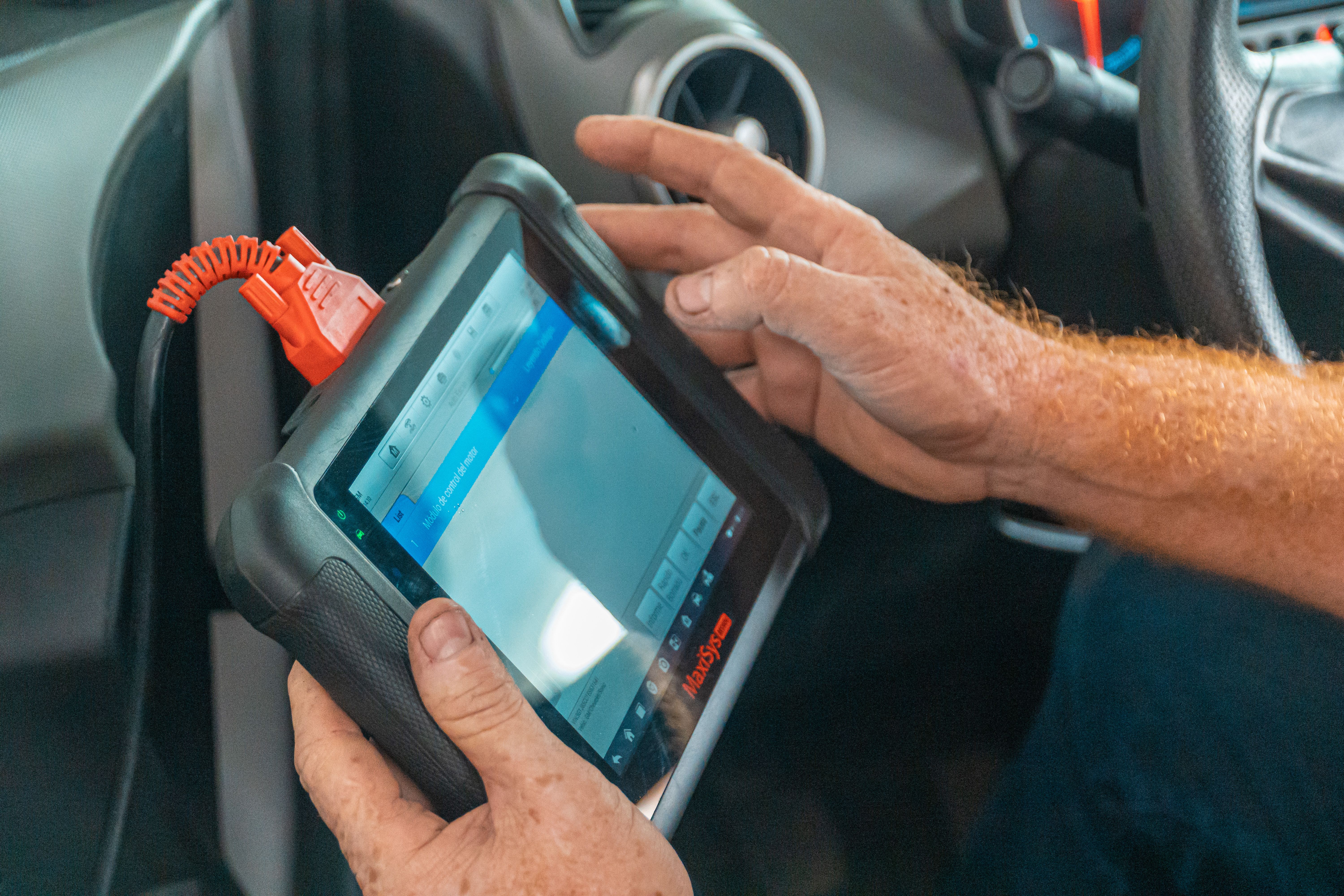
Restoring a connection is only part of recovery. Queued records still need to reach the application with their identity and timing intact. The application must then handle older information without making it appear to describe the equipment’s current condition. A delayed door-opening event, for example, should not be presented as a new event simply because it has just arrived.
A useful recovery sequence checks whether:
-
Records collected during an interruption reach the intended application.
-
Stored information survives a controlled device restart as specified.
-
A backlog clears while new readings continue to be collected.
-
Duplicate or delayed messages produce understandable application behavior.
-
Connection attempts and recovery stay within the product’s energy budget.
Run these checks across different interruption lengths. Brief gaps and extended parked periods can expose different limitations, particularly when storage and battery capacity are constrained.
Turn field results into a deployment specification

The final output should explain where the product was tested, which configurations passed, and what reporting delays were observed. Include installation requirements and enough diagnostic information for support staff to investigate missing reports. Device power, the last successful communication, and available network status can help narrow the investigation.
That evidence gives engineering, sales, and support a shared description of what the product can deliver. Customers receive clearer expectations, installers receive practical guidance, and future changes can be tested against an established baseline. A field trial earns its value when the next deployment becomes more predictable.