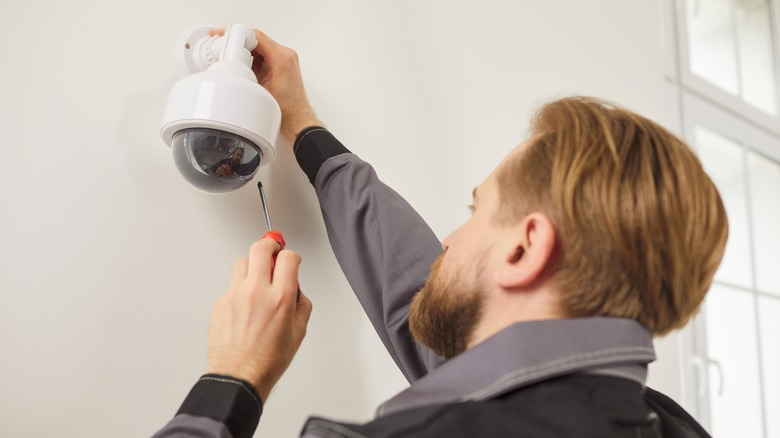
A $49 home security camera looks like a great deal staring at you from your phone or computer screen. And maybe it is just for the hardware alone.
But there is more to home security than the devices a homeowner installs. There is also more to the total cost than just the retail price paid for each device. When you add it all up, DIY home security is not as cheap as you might think.
Granted, professionally installed home security can cost a bit more upfront. But there are pretty affordable entry-level packages, like Vivint Home Security’s HomeProtect. An entry-level package with no required contract can be pretty competitive with DIY home security when you factor in all the costs.
Unfortunately, DIY home security comes with a bunch of hidden costs people do not tend to think about until after they start spending.
Below are the top five such costs. If you are thinking of investing in a DIY package, make sure to give each one careful consideration.
1. Monthly Monitoring
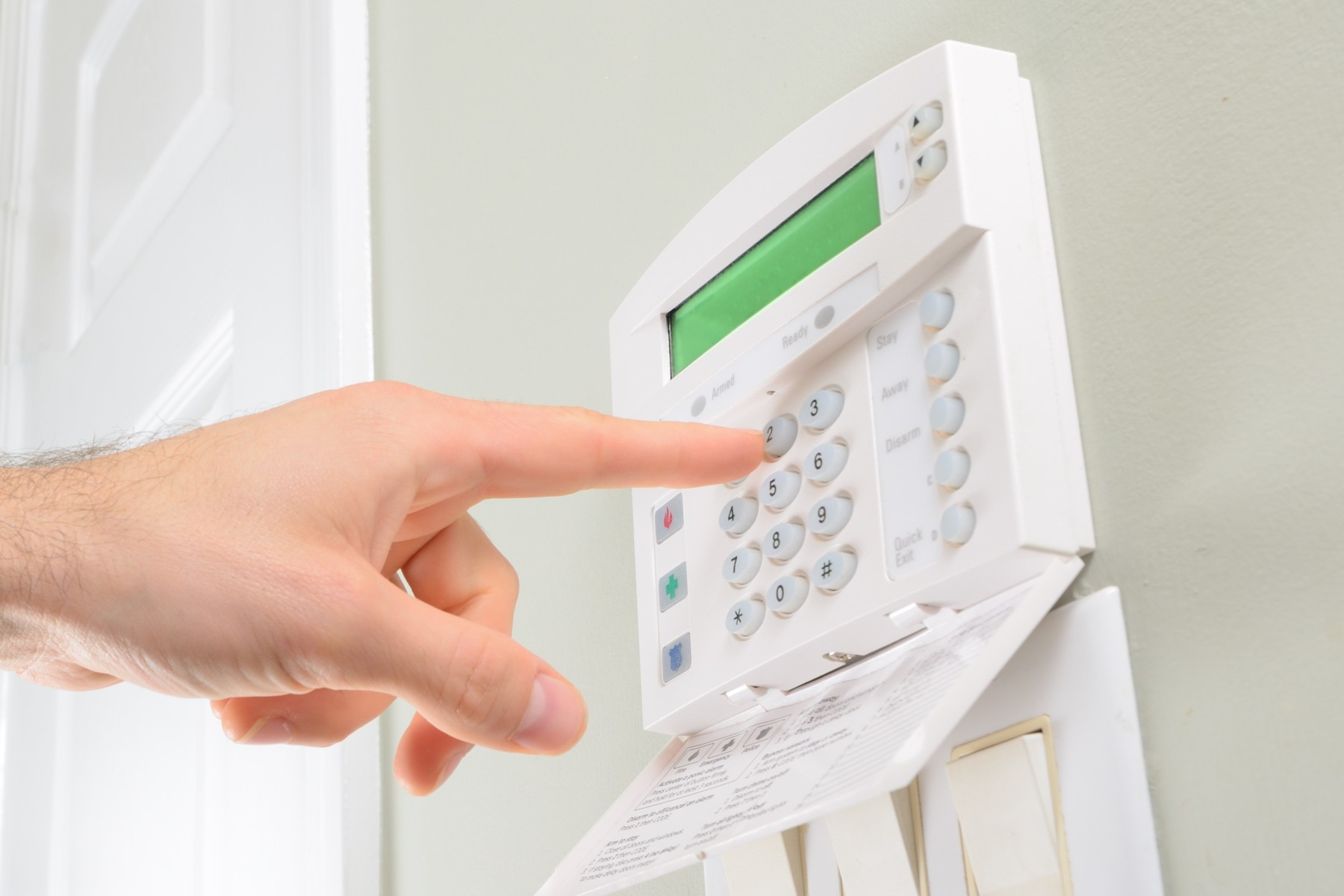
Monthly monitoring subscriptions cost about the same whether you install your own system or go with something like HomeProtect.
Here is the thing: some DIY providers have existing relationships with monitoring providers to guarantee reasonable monthly prices.
But others do not. If you invest in such a system, it is up to you to find a monitoring provider capable of working with your equipment. That could get expensive.
Of course, the other option is to go without professional monitoring. A lot of homeowners do just that. But DIY monitoring is not nearly is reliable.
Say you are in an important business meeting when your phone vibrates in your pocket.
Are you going to check it right away? If you are not, you could miss the fact that someone is trying to break into your home.
Professional monitoring services operate 24 hours a day, every day of the year. Every alert gets dealt with the moment it comes in.
Even when you’re not available, like during important meetings or while you are sleeping, monitoring personnel spring into action at the first sign of trouble. Can you put a price tag on that?
2. Cloud Storage Costs
That cheap video camera will not cost you much at retail. But how will you store video data? It’s not enough to rely on built-in storage, thanks to its limited capacity.
So you’ll either have to pay for cloud storage or figure out how to set up your own cloud server at home. Both options will cost at least something.
A $49 security camera will suddenly have a more expensive price tag when you sign up for cloud storage.
You can skip the cloud storage by investing in a used laptop and connecting it to your security system. But you are still spending additional money to store video data.
3. Incompatibility Costs
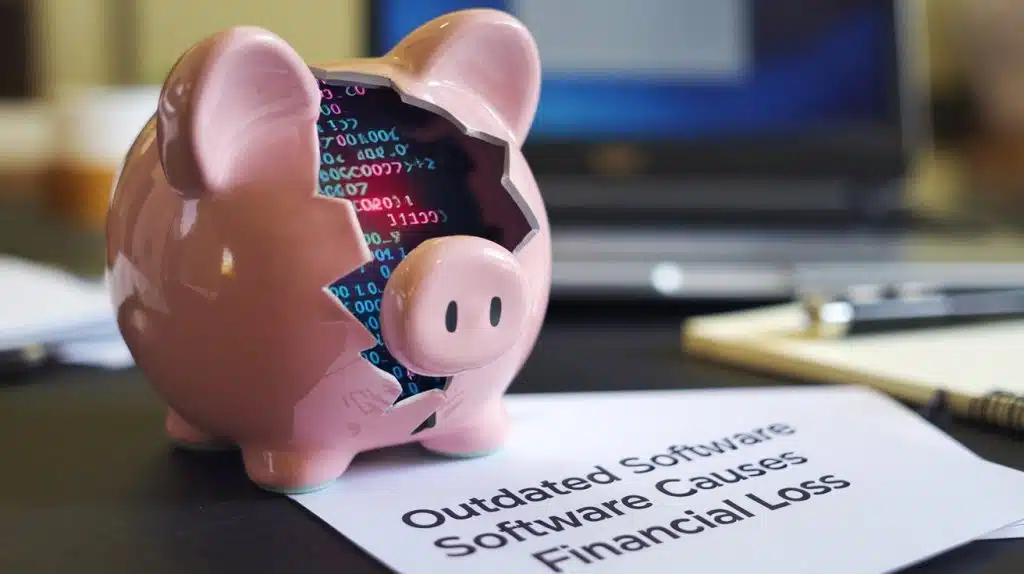
Next up are the costs associated with incompatible devices. Building an entire system from the ground up is always risky because you could end up spending money on devices that are not compatible with your software. Then you either have to live with the incompatibility or replace those devices with new ones.
Similarly, you might buy an entry-level system as an all-in-one package. But some of the devices in your system will eventually be so outdated that they cannot be used reliably. Now you’re forced to upgrade. Even if your devices still function properly, they no longer align with your software.
It’s worth noting that this particular risk still exists with professionally installed home security. But big names are less likely to go under, leaving you with devices and software you can no longer rely on. You get a lot more stability from a name brand that comes with professional installation.
4. Fines for False Alarms
A hidden cost that gets very little attention is the amount homeowners pay for generating false alarms. As home security adoption has risen, so have the number of false alarms local police have had to respond to.
It’s gotten so out of hand in some communities that officials have drawn up local ordinances allowing ‘service fees’ charged to homeowners whose systems generate excessive false alarms.
False alarms drain resources. They also prevent emergency personnel from responding to legitimate emergencies. The challenge with DIY installation is to make sure all your devices are working properly without generating false alarms. Too many false alarms could lead to a substantial financial penalty.
Professional installers know how to position and angle cameras to prevent unnecessary triggers. They know how to install window and door sensors so that a day of heavy wind doesn’t cause a problem.
Professional installers also know how to adjust sensitivity. I’m guessing most homeowners do not.
5. The Time Tax
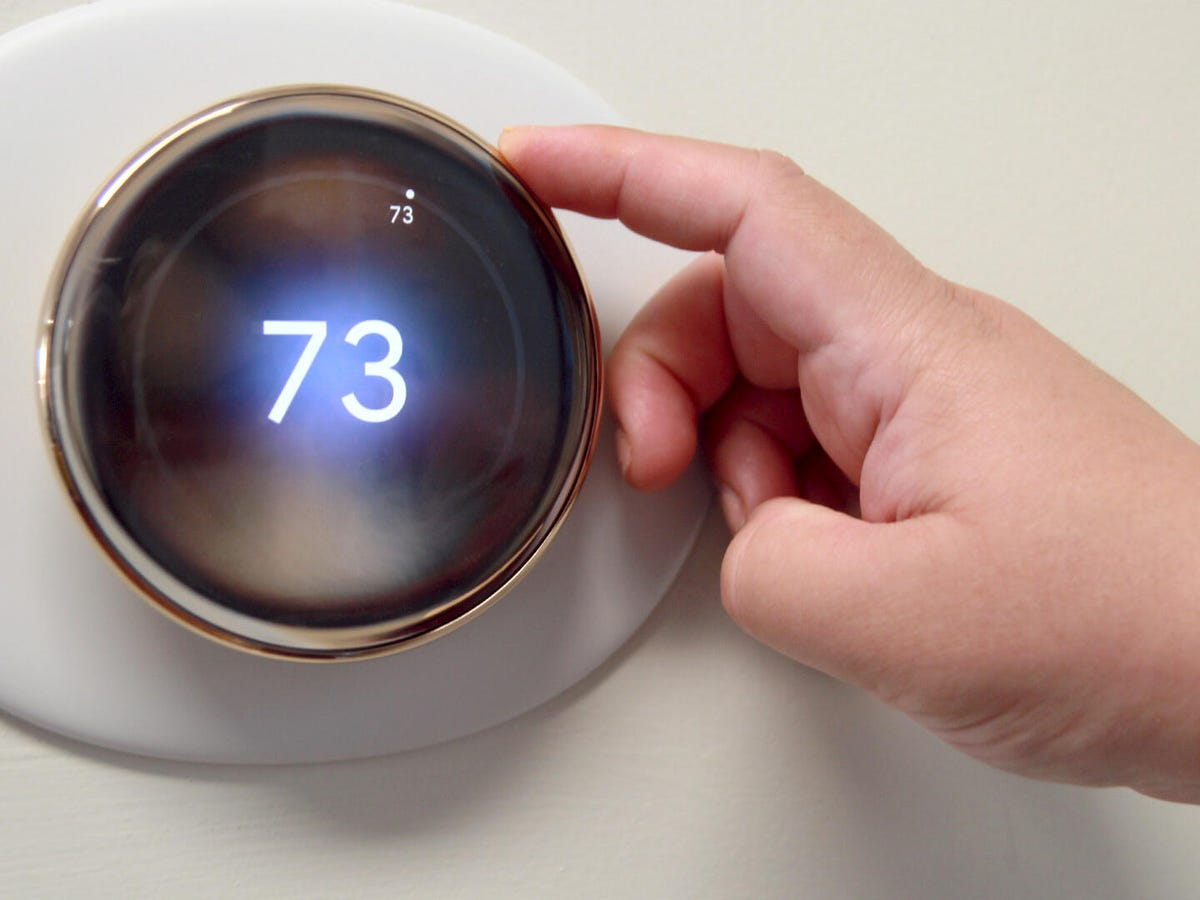
One last hidden cost is more about time and less about actual dollars and cents. I call it the time tax. It’s assessed whenever you add new devices to your system.
It’s true that DIY home security has gotten easier as time has gone by. But initial installation can still be tricky, especially if you’re using a selection of individual devices rather than a pre-packaged system. It can take days, or even weeks, to get everything working the way it should.
Adding new devices can be equally troubling. Getting a single device to communicate with all the other devices on the network could mean days of fiddling and looking online for support.
Professionally installed home security doesn’t come with those sorts of problems. Technicians do all the work.
They place devices, get them online, test them, and then show homeowners how to use them. Professional installation is the simplest way to get a new home security system and add new devices to it.
DIY home security looks cheap when the only consideration is retail pricing.
But there are hidden costs to consider. When all is said and done, you might not actually save enough on DIY security to justify the time and labor involved in doing things yourself.