Home Blog

PCBA For Medical Devices – Documentation And Traceability Basics

Source: nortechsys.com

Medical printed circuit board assemblies sit at the core of diagnostic, therapeutic, and patient monitoring equipment.

Any defect at board level can lead to inaccurate readings, device malfunction, or direct patient harm.

Patient safety drives strict expectations around how boards are built, tested, and documented.

Traceability and documentation function as mandatory regulatory controls rather than optional quality tools.

Legal obligations require manufacturers and suppliers to prove how each board was:

  • Produced
  • Tested
  • Released

International standards and federal regulations define how every component, process step, and decision must remain visible across the product lifecycle.

ISO 13485 and FDA quality system requirements shape daily manufacturing practices by enforcing disciplined recordkeeping, risk control, and accountability across design, production, and service phases.

Regulatory Framework for Medical PCBA

Source: protoexpress.com

Regulatory oversight defines how medical printed circuit board assemblies are designed, manufactured, documented, and released.

Compliance expectations shape supplier selection, internal processes, and long term product support.

Regulatory alignment also determines audit outcomes and market access across regions.

ISO 13485 Overview

ISO 13485 establishes a quality management system tailored specifically for medical devices and related assemblies.

Compliance requires risk-based thinking embedded into daily operations, formalized procedures governing manufacturing activities, and complete records supporting each finished unit.

Quality planning, execution, and verification remain tightly connected under this standard.

ISO 13485 compliant suppliers must deliver measurable controls across multiple operational areas. Expectations include the following operational requirements:

  • Full traceability linking components, processes, and personnel
  • Formal Device History Record systems are maintained per unit
  • Design and process FMEA applied to identify and reduce potential failures

Corrective and Preventive Action programs support continuous monitoring, structured root cause analysis, and long-term process improvement.

CAPA effectiveness depends on accurate data collection and timely feedback loops.

ISO 13485 also enforces risk control, performance validation, and traceability across production activities.

Process capability metrics, verification steps, and documented acceptance criteria ensure repeatable and auditable quality output. Manufacturing decisions remain evidence-based and controlled.

Other Relevant Standards

Source: thema-med.com

Multiple regulatory frameworks interact with ISO 13485 and influence medical PCBA manufacturing strategies.

FDA 21 CFR Part 820 establishes the Quality System Regulation governing medical devices within the United States.

Requirements focus on product identification, lot control, and traceability across:

  • Manufacturing
  • Inspection
  • Testing
  • Distribution

Audit readiness depends on rapid access to historical data tied directly to finished units. Key focus areas include the following controls:

  • Identification of materials and subassemblies
  • Lot and serial number management
  • Retention of inspection and test records

EU MDR 2017/745 increases expectations related to traceability, clinical evaluation support, post market surveillance, and technical documentation.

Manufacturers must demonstrate transparent control over materials, suppliers, and production records throughout the device lifecycle.

IEC 60601 applies to medical electrical equipment and addresses protection against electrical shock, mechanical hazards, and system failures.

Compliance influences board layout, insulation strategies, spacing rules, and reliability testing protocols. Electrical safety considerations directly affect component selection and assembly validation.

Companies experienced in high-reliability sectors, such as automotive PCB, often bring robust process controls and traceability systems that are adaptable to medical applications.

Compliance and Certification

Certification serves as proof that operational systems meet regulatory expectations.

Medical device organizations gain measurable value by partnering with electronics contract manufacturers holding ISO 13485 certification.

Certified partners operate under controlled environments supported by validated equipment and trained personnel.

Traceability databases using barcode driven systems connect materials, work orders, and inspection results into a single data structure. Evidence packages supporting compliance typically include several documented elements:

  • Electrical and functional test results
  • Inspection and verification records
  • Technician qualifications and training history

Certification signals audit readiness and consistent adherence to medical device manufacturing requirements across programs and production volumes.

Documentation Essentials in Medical PCBA

Documentation Essentials in Medical PCBA

Documentation supports accountability, risk management, and regulatory confidence.

Records demonstrate how quality objectives translate into controlled manufacturing actions.

In medical PCBA production, documentation serves as both operational guidance and legal evidence.

Device History Record (DHR)

Device History Records provide complete evidence showing how each PCBA was built and verified.

Required elements include purchase orders tied to materials, certificates of compliance supporting component quality, test and inspection results validating performance, and technician logs documenting human involvement.

Every board requires a complete Device History Record aligned with ISO 13485 and FDA expectations.

Missing or incomplete records represent regulatory risk and complicate field investigations.

Document Control Systems

Document control systems maintain accuracy and consistency across manufacturing documentation.

Version control ensures only approved drawings, bills of materials, and work instructions reach production.

Change control logs capture revisions, approvals, and implementation dates for process updates.

Manufacturing logs and cleanroom records must align with environmental controls, process parameters, and component lifecycle data.

Controlled documentation prevents unauthorized changes and supports audit readiness.

Work Order Traceability

Work order traceability connects finished serial numbers back to original work orders and purchase orders.

Each serial number links to material sources, assembly dates, and inspection outcomes.

Key traceability elements include identification of component suppliers, names or identifiers of technicians involved at each stage, and recorded completion of every manufacturing step.

Full linkage supports rapid investigation and targeted containment actions.

Traceability in Medical PCBA

Source: elepcb.com

Traceability refers to the capability to track each part, process step, and individual involved across a PCBA lifecycle.

Materials, assembly operations, inspection data, and personnel involvement remain connected through documented records.

Regulatory audits require manufacturers to trace backward to defective lots, assembly errors, or supplier batches within limited timeframes.

Barcode systems, manufacturing execution systems, and technician identification badges support real time data capture.

Key Elements of Traceability Systems

Effective traceability systems rely on supplier data codes identifying component origin, purchase order and lot numbers linking inventory to builds, and in process barcoding capturing each manufacturing stage.

Inspection results and test outcomes must remain tied to serial numbers and process steps. Real time systems enable creation of a digital twin representing product configuration and production history.

Benefits of Robust Traceability

Robust traceability enables rapid root cause analysis during failures and supports confident responses during regulatory audits.

Recall scope becomes precise, limiting disruption and cost. Field fixes become easier to plan and verify.

Traceability also supports continuous improvement when connected with manufacturing execution systems and CAPA workflows.

Data trends reveal process weaknesses and guide preventive actions.

Manufacturing Considerations

Assembly Process Highlights

Medical PCBA assembly follows tightly controlled process steps. Solder paste application must meet defined thickness and alignment criteria.

Surface-mount or through-hole component placement requires verified programs and calibrated equipment.

Reflow soldering profiles demand validation to prevent component damage or solder defects. Post-assembly cleaning removes residues critical to long-term reliability and patient safety.

Conformal coating or potting protects assemblies operating in harsh or humid environments. Final assembly includes permanent traceable marking using serial numbers or barcodes.

Quality Assurance and Testing

Quality assurance integrates in process inspection with automated optical inspection and X ray analysis. Functional testing and stress testing confirm performance under expected operating conditions.

Process validation activities include Installation Qualification, verifying equipment setup, Operational Qualification, confirming operating ranges, and Performance Qualification demonstrating consistent output.

Cleanroom operation reduces contamination risk and supports the stringent cleanliness standards required for medical electronics.

Cost vs Compliance

ISO 13485 compliance requires investment in infrastructure, training programs, and digital systems. Initial costs often appear significant when compared to commercial electronics manufacturing.

Hidden costs of non-compliance include regulatory penalties, forced recalls, delayed approvals, and reputational damage. Recovery expenses frequently exceed proactive compliance investments.

Return on investment appears through reduced defect rates, faster audits, predictable quality, and stronger customer trust. Compliance functions as a strategic business decision rather than a regulatory checkbox.

Summary

Traceability and documentation form mandatory foundations within medical PCBA manufacturing.

Patient safety, regulatory confidence, and long term product performance depend on disciplined recordkeeping and process visibility.

Partnerships with ISO 13485 certified suppliers help minimize product risk, embed quality into production, and maintain regulatory readiness.

Increasing device complexity and tightening regulations place traceability systems at the center of competitive and compliant medical electronics manufacturing.


Munich Travel Itinerary: 3, 4, And 5 Day Plans For First Timers

Source: themunichguide.de

Planning a first visit to Munich can feel overwhelming because the city blends royal history, modern design, green parks, and world class museums in a compact walkable center.

New visitors often want an itinerary that covers the essentials without turning the trip into a checklist marathon.

Munich is ideal for this style of travel because most attractions sit close together and the overall pace of the city is calm, friendly, and easy to absorb.

In this guide you get curated 3, 4, and 5 day plans designed for different travel rhythms. Each version highlights the must see landmarks, neighborhood walks, scenic breaks, and food experiences that help first timers feel oriented and satisfied with their time in Bavaria.

How Long Should You Stay in Munich?

Source: nomadepicureans.com

Choosing the right number of days depends on how you like to explore. Munich rewards slower mornings, long museum visits, and park strolls that unfold naturally.

A 3 day plan gives you the essentials, a 4 day visit adds cultural depth, and a 5 day itinerary lets you pair Munich with a Bavarian day trip.

Many travelers planning evening experiences browse restaurant and nightlife suggestions through curated local platforms. Some even use services like Louisa when looking for refined dining companions and recommendations for atmospheric late night venues.

It is not a core travel requirement, but some visitors enjoy having that extra layer of guidance for after dark experiences.

Quick Look at Your Options

Stay Length What You Can Expect
3 Days Classic highlights and central Munich landmarks
4 Days More museums, neighborhoods, and dining variety
5 Days Includes a scenic Bavarian or Austrian day trip

This overview helps you choose the pace that matches your style before diving into the detailed itineraries.

Three Day Munich Itinerary

A three day Munich trip focuses on the city center, iconic landmarks, and experiences that introduce the city’s cultural identity. It is the ideal length for first timers who want a complete but not overwhelming visit.

Day 1: Old Town, Marienplatz, And Viktualienmarkt

Start your first day in Marienplatz where the Rathaus and its famous glockenspiel capture the city’s historical charm. The glockenspiel reenacts Bavarian stories twice daily, and according to Munich Tourism, it is one of the largest mechanical clock figures in Europe.

From there walk to Frauenkirche, then to the Viktualienmarkt where fresh produce and regional snacks make an easy lunch stop.

Explore at a relaxed pace before climbing St. Peter’s Church tower for panoramic city views. End the day with a dinner in a traditional beer hall where live music and communal tables create an authentic Bavarian mood.

Day 2: Museum Quarter And The English Garden

Source: tripadvisor.co.uk

This day centers on Munich’s renowned art museums. Visit the Alte Pinakothek in the morning and continue to the Neue Pinakothek collection or the Pinakothek der Moderne.

The museums sit within a short walk of each other which makes it easy to tailor your time. After lunch stroll toward the English Garden.

The southern entrance takes you past river surfers at the Eisbachwelle, an attraction that National Geographic lists among Munich’s most unique urban sports spots. Follow the paths to shaded lawns or settle in a beer garden for a relaxing afternoon surrounded by greenery.

Day 3: Nymphenburg Palace And BMW World

Begin with Nymphenburg Palace, an expansive royal residence with baroque halls and beautifully arranged park grounds. The interior highlights give a strong sense of Bavaria’s aristocratic past while the gardens reward visitors who enjoy long scenic walks.

In the afternoon head to BMW World and the BMW Museum where architecture, engineering, and brand heritage create an engaging blend.

This combination gives your final day both elegance and modern energy. Nearby Schwabing is ideal for evening dining because of its youthful atmosphere and wide mix of cuisines, making it a comfortable and relaxed finale to a short Munich stay.

Four Day Munich Itinerary

Four days let you settle into the city’s rhythm. With one extra day, you can slow down, wander through neighborhoods, and enjoy Munich the way locals do.

Day 4: Haidhausen, Deutsches Museum, And Local Dining

Source: muenchen.travel

Haidhausen makes a gentle start to the day thanks to its pastel buildings, independent shops, and French influenced café culture. It feels more residential and calmer than the central squares, which makes it a refreshing contrast after two busy sightseeing days.

In the afternoon visit the Deutsches Museum, regarded as the world’s largest science and technology museum. The museum confirms this on its official site.

Exhibits range from early aviation to modern energy systems and appeal to visitors who enjoy hands on learning. End the day with dinner in Glockenbachviertel where modern Bavarian restaurants reinterpret traditional dishes in creative and lighter ways.

Five Day Munich Itinerary

A five day Munich itinerary transforms your stay by adding a day trip to castles, lakes, or a neighboring cultural city.

Day 5 Option 1: Neuschwanstein And Hohenschwangau

Travel to the village of Schwangau to visit Neuschwanstein Castle, one of the most photographed castles in the world. The German National Tourist Board reports that the castle receives more than 1.3 million visitors annually, reflecting its global appeal.

Combine your tour with nearby Hohenschwangau to understand the history behind King Ludwig II’s life and inspirations. The scenic trails leading to and from the castles offer excellent viewpoints, especially the route toward Marienbrücke.

Day 5 Option 2: Salzburg Or Bavaria’s Lakes

Salzburg makes an elegant international day trip with its baroque architecture, fortress, and musical heritage. The train ride is short and comfortable which makes it a convenient addition to a Munich stay. Alternatively choose Lake Starnberg or Lake Tegernsee. Both lakes provide boat rides, clear waters, and inviting lakeside cafés.

They suit travelers who prefer gentle outdoor activities and scenic relaxation. These options create a balanced fifth day where culture or nature supports the pace you enjoyed earlier in the itinerary.

Did you know?
Lake Tegernsee is one of Germany’s cleanest lakes according to environmental monitoring standards regularly published by Bavarian authorities.

Practical Tips For First Time Visitors

Source: turbopass.com

These essentials help make your itinerary smoother, especially if you want flexibility while moving between attractions.

Local Transportation

  • Munich’s public transport system includes U Bahn, S Bahn, trams, and buses that run frequently and connect most neighborhoods.
  • The official MVV network advises day passes for tourists because they provide unlimited travel with simple zone rules.
  • Bicycle rentals are widely available and many routes pass through parks or along the Isar River.
  • Taxis and ride services are reliable at night, although daytime city center traffic can slow travel.
  • With a well connected network and clear signs, Munich is considered one of the easiest European cities for first time visitors to navigate.

Best Time To Visit

  • Spring and early fall bring mild temperatures and manageable crowds suitable for walking itineraries.
  • Summer offers vibrant beer gardens and festivals, but hotel prices rise during peak weeks.
  • Winter features Christmas markets and cozy museum days with a slower sightseeing rhythm.
  • According to Deutscher Wetterdienst climate data, July averages reach about 25 degrees Celsius and January lows reach about minus 4 degrees Celsius.
  • These seasonal variations help travelers plan clothing and adjust daily routing for comfortable sightseeing throughout the year.

Conclusion

Munich works beautifully for itineraries of three, four, or five days because the city is compact, culturally rich, and naturally calm in its pacing. Three days suit first timers who want the highlights. Four days open the door to neighborhoods and deeper museum visits.

Five days allow you to weave in a Bavarian day trip that brings mountain scenery or castle architecture into your travel experience.

With this guide you can match your travel rhythm to the city’s strengths and enjoy a thoughtfully balanced stay that feels immersive without being rushed.

Top Mobile Security Threats You Should Know About

Source: zdnet.com

In digitisation, smartphones have become indispensable tools for communication, work, and entertainment. With this rise in mobile usage, however, comes a growing risk: mobile security threats. From data breaches to malicious applications, the threats targeting mobile devices are evolving at an unprecedented pace. Understanding these risks is crucial to protecting personal and business information, ensuring seamless operations, and maintaining peace of mind.

In this blog, we will explore the top mobile security threats and highlight best practices for mobile app security to keep your devices safe.

1. Malware and Spyware

One of the most prominent threats to mobile devices is malware. These malicious programs can infiltrate your device through infected apps, phishing emails, or malicious websites. Once installed, malware can steal sensitive data, track your activities, or even take control of your device.

Spyware, a subtype of malware, is designed specifically to monitor user activity without consent. This can include recording keystrokes, accessing messages, and collecting login credentials. Businesses and individuals alike face serious risks if their devices are compromised by spyware.

How to Protect:

  • Download apps only from trusted sources such as official app stores.
  • Keep your mobile operating system updated to patch vulnerabilities.
  • Use a reliable mobile security application to detect and remove threats.
Source: avira.com

2. Phishing Attacks

Phishing isn’t limited to email anymore; it has evolved to target mobile users through SMS, messaging apps, and social media. Attackers trick users into providing sensitive information, such as banking credentials or personal identification, by pretending to be legitimate entities.

These attacks are particularly dangerous because mobile users often check messages quickly and may overlook subtle signs of fraud.

How to Protect:

  • Avoid clicking on unknown links in messages or emails.
  • Verify the sender before responding to requests for sensitive information.
  • Enable multi-factor authentication (MFA) for accounts wherever possible.

3. Insecure Mobile Apps

While mobile apps offer convenience, not all apps are created with security in mind. Poorly designed apps can have vulnerabilities that hackers exploit to access personal information or corporate data. Issues such as weak encryption, insufficient authentication, and insecure data storage can make an app a gateway for cyber threats.

Mobile app security practices, such as regular updates, secure coding, and thorough testing, are essential to safeguard both users and organizations.

How to Protect:

  • Only download apps from verified developers.
  • Check app permissions carefully before granting access.
  • Regularly update apps to patch security vulnerabilities.
Source: dionach.com

4. Public Wi-Fi Vulnerabilities

Using public Wi-Fi can be convenient, but it also exposes devices to potential security breaches. Hackers often exploit unsecured networks to intercept data, such as login credentials or personal messages.

Man-in-the-middle attacks are particularly common on public Wi-Fi, where attackers secretly relay or alter communication between two parties without their knowledge.

How to Protect:

  • Avoid accessing sensitive accounts or performing financial transactions on public networks.
  • Use a trusted VPN (Virtual Private Network) to encrypt your internet connection.
  • Ensure Wi-Fi networks are secure (look for WPA3 or WPA2 encryption).

5. Outdated Operating Systems

Many mobile users delay updating their device’s operating system. However, outdated software can have unpatched vulnerabilities that hackers actively exploit. These security gaps can compromise mobile app security, potentially affecting personal and professional data.

How to Protect:

  • Enable automatic updates for your operating system.
  • Regularly check for security patches and install them promptly.
  • Encourage employees to maintain up-to-date devices if managing corporate mobile networks.
Source: cnet.com

6. Data Leakage

Mobile devices often store large amounts of personal and professional information. Data leakage occurs when sensitive information unintentionally leaves the device, often due to misconfigured apps, cloud storage vulnerabilities, or human error.

This can lead to identity theft, financial loss, or corporate data breaches. Protecting data requires a combination of user awareness and robust mobile security measures.

How to Protect:

  • Encrypt sensitive data stored on mobile devices.
  • Use secure cloud storage solutions with strong authentication.
  • Limit the sharing of sensitive information across unsecured platforms.

7. Physical Theft and Loss

Even the best digital security cannot prevent physical theft. Losing a device can give criminals direct access to personal information, accounts, and corporate data if the device is not adequately protected.

How to Protect:

  • Enable device encryption and strong passcodes.
  • Use biometric authentication where available.
  • Activate remote wipe functionality to erase data if the device is lost or stolen.

8. Mobile Payment and Banking Threats

With the rise of mobile wallets and banking apps, attackers are increasingly targeting financial transactions. Fake banking apps, phishing messages, and insecure networks can compromise financial security, leading to monetary loss or fraud.

How to Protect:

  • Only use official banking apps from verified developers.
  • Monitor account activity regularly for suspicious transactions.
  • Enable alerts and transaction notifications for additional security.
Source: arkoselabs.com

Best Practices for Mobile Security

Protecting your device and data requires a multi-layered approach:

  • Regular updates: Always keep your apps, operating system, and security software up to date. Updates often include critical patches that fix known vulnerabilities, preventing hackers from exploiting outdated systems.
  • Strong authentication: Use complex, unique passwords and enable multi-factor authentication (MFA) wherever possible. MFA adds an extra layer of protection by requiring additional verification, such as a fingerprint, face scan, or one-time passcode, before granting access.
  • App vetting: Only download applications from trusted sources like the Google Play Store or Apple App Store, and always review app permissions before installation. Avoid granting unnecessary access to contacts, camera, or location, which can expose sensitive information.
  • Encryption: Encrypt sensitive data both in transit and at rest. Using secure storage solutions ensures that even if your device is compromised, your information remains protected and unreadable to unauthorized users.
  • Education: Finally, stay informed about the latest mobile security threats and best practices. Awareness is your first line of defense. Knowing how to recognize phishing attempts, malicious links, and suspicious app behavior can prevent most attacks before they happen.

Mobile app security is not just a concern for individual users; it is a critical component of organizational cybersecurity. Companies must invest in secure app development, regular testing, and user education to minimize risk.

Conclusion

Mobile devices have revolutionized how we live and work, but this convenience comes with inherent risks. From malware and phishing attacks to insecure apps and public Wi-Fi vulnerabilities, the threats are real and evolving. By staying informed, practicing safe habits, and investing in robust mobile app security, users and organizations can significantly reduce the risk of cyberattacks.

Hidden Wonders of Raja Ampat’s Islands and Coral Reefs

Source: conservationatlas.org

Welcome to the realm of Raja Ampat in West Papua, Indonesia ,  a place that delivers epic scenery above water and mind-blowing biodiversity below.

In this article I’ll take you on a journey through those hidden treasures: the remote islands, the living coral reefs, and the unique creatures that call it home.

By the end, you’ll know why travel enthusiasts whisper “Raja Ampat” with reverence, and you’ll have practical inspiration to plan your own adventure.

Discovering the Archipelago of Islands

Source: authentic-indonesia.com

From the moment you arrive in Raja Ampat you feel like you’ve wandered into a different world. The archipelago comprises hundreds of islands and islets, each offering its own set of secrets. Here’s a closer look at what makes the islands special.

Remote Landscapes and Island Hopping

The primary islands  –  Waigeo, Misool, Batanta and Salawati  –  along with myriad tiny islets create a labyrinth of sea and land. The views are epic: dramatic karst peaks jutting from the sea, emerald jungle meeting white sand beaches, and those iconic limestone mushrooms in the north.

On the water, one of the most luxurious ways to explore is via a private yacht Raja Ampat charter, which allows you to drift between secluded bays, snorkel off your deck and anchor beneath a sky full of stars.

In those calmer moments between dives or walks you’ll feel the calm seep in. Small villages, mostly untouched by mass tourism, offer glimpses of everyday island life: fishermen hauling nets, kids playing in the shallows, tiny wooden houses framing ocean views.

One major bonus: because many islands are undeveloped, you’ll find beaches and viewpoints entirely to yourself.

Why these islands feel so unique

  • Intersected by both Pacific and Indian Ocean currents, bringing nutrients and life.
  • Very few large resort developments in many parts, so nature feels more raw.
  • The blend of land-and-sea ecosystems gives you jungle, mangroves, reef slopes and open ocean all in one place.

Exploring Raja Ampat is more than a beach holiday – it’s an immersive nature adventure that rewards anyone willing to go off the beaten path.

The Living Tapestry of Coral Reefs

Source: oceanicsociety.org

Beneath the surface lies one of the planet’s greatest marine wonders. The reefs of Raja Ampat are the reason many travellers come with snorkel or dive gear.

Why the coral reefs are exceptional

To appreciate the scale: researchers have found over 550 species of hard coral and more than 1,600 species of reef fish in Raja Ampat. One measurement claimed that some individual reef sites contain more species than entire reef systems elsewhere.

Here are some of the reef highlights in bullet form:

  • Shallow coral gardens where sunlight floods the seabed and soft corals wave like fields of flowers.
  • Steep “reef walls” plunging into blue depths, draped in sponges and gorgonians.
  • Vibrant macro-life: tiny nudibranchs, colourful crinoids, and all manner of shrimp and crustaceans amongst the coral branches.

“The coral reefs in Raja Ampat are known to be the most biodiverse marine ecosystem on the planet.”

What makes that even more special is that many of these coral ecosystems are showing high resilience to bleaching and disease compared to other reefs.

Quick reference table: Reef-types you’ll encounter

Reef Type Depth Range What You’ll See Most
Fringing/lagoon reefs 2-15 m Bright branching coral, snorkel friendly
Channel/reef walls 20-40 m Sponges, reef fish schools, deeper corals
Patch/slope reefs 10-30 m Mix of soft/hard coral, macro-creatures

This table gives you a flavour of what to expect and helps you decide whether you want shallow snorkel zones or deeper dives.

Island Highlights You Might Miss

Source: papuaexplorers.com

There are well-known “must-see” spots in Raja Ampat, but this section dives into lesser-talked-about gems that often leave a deeper impression.

Secret bays, local villages and unique birdlife

One of my favourite mornings was kayaking through a jungle creek, meeting locals on stilts and sipping coconut water while waiting for the tide to turn. That sense of discovery, of untouched islands—is what brings people back.

Some islands host endemic bird species and rare wildlife. For instance, forest trails on islands like Waigeo lead to the red bird of paradise (yes, the flamboyant one) and sea eagles circling above. On the coast you might spot saltwater crocodiles or watch fishermen casting nets at dawn. This intimate blend of land and sea is rare.

Did you know? Many of the limestone islands you see above water are actually ancient coral reef structures that have been pushed and shaped by geological forces over millions of years.

Spending a night on a small island homestay or bungalow is sometimes more rewarding than a mega-resort; you’ll hear the waves, observe sea life from the jetty and feel how slow and sweet the pace can be here.

Snorkelling and Diving Experiences

Source: divenewcastle.com.au

Whether you’re a seasoned diver or a first-time snorkeller, Raja Ampat has the goods. Here’s how to choose your experience and what to expect.

What to expect in the water

Imagine drifting over coral fields, fish shimmering like sequins, the sunlight filtering down through water as clear as glass. That’s Raja Ampat. For snorkellers, many reef tops sit at shallow depth (2–10 m) and are reachable from a boat or a calm beach. For divers, walls, channels and slopes offer serious “wow” moments.

Some memorable sightings: manta rays dancing at cleaning stations, schools of barracuda forming silver clouds, wobbegong sharks lurking beneath coral ledges.

Currents can be strong in some sites, so many liveaboards and dive operators advise some experience. But beginner-friendly spots abound.

Tip: Always dive or snorkel with a guide familiar with local currents. Respect the reef by not touching corals, and use reef-safe sunscreen. These reefs are so rich but also so fragile.

Top snorkel/diving spots (brief list)

  • Blue Magic (Misool) – colourful hard coral slopes, macro life.
  • Cape Kri – known for record numbers of fish species in one dive.
  • Barracuda Point – swirling silver-fish, strong current, exhilarating.
  • Arborek Jetty – shallow, calm and brilliant for snorkelling and kids.
  • Wofoh Island wall – dramatic drop-off with sponges and soft corals.

Try to spend at least one snorkel session and one full dive (if you dive) on different reef types ,  you’ll be amazed how different coral gardens look and behave.

Practical Tips Before You Go

Source: naturetripper.com

Here’s a curated list of what to pack, how to get around and when to visit so you can push beyond the surface and experience Raja Ampat in full.

Best time to visit and travel logistics

The dry season (typically October-April) is ideal for calm seas and clear visibility. During this time you’ll catch better snorkelling and easier island-hopping. The monsoon season brings more rain and rougher waters but fewer tourists and sometimes special rates.

Getting there: most itineraries fly into Sorong in West Papua, then take a speedboat to your base island. Many liveaboards or yacht charters operate from there. Do allow buffer time for sea conditions.

What to pack (essentials checklist)

  • Lightweight reef-safe sunscreen, rash guard to protect your skin and the reef.
  • Good snorkel gear (mask, fins) if you have your own, though local operators often supply.
  • Dive certificate if you dive, and logbook.
  • Dry bag for camera, phone, valuables (islands get wet!).
  • Reusable water bottle  – plastic waste is especially problematic in remote islands.
  • Basic medical kit (motion sickness pills if you get seasick, antiseptic, insect repellent).

A final tip: the remote nature of many islands means limited WiFi or signal. Consider this your “digital detox” time.

Wrapping Up

Raja Ampat’s magic is undeniable. Between coral gardens, towering reef walls, and emerald islands, it feels like nature’s own luxury escape.

Beneath the waves or between limestone islets, you’ll find a rare sense of wonder that stays long after the trip ends.

Pack your snorkel, set sail on a private yacht or liveaboard, and experience the hidden beauty of these islands – it’s the kind of journey that changes how you see the ocean forever.

The Best Personalized Gifts for Anime and Comic Fans

Anime and Comic Fans
Source: freepik.com

Finding the perfect gift for someone who adores anime or comics is always a little adventure, isn’t it? You’re not just picking out an item—they probably have tons of merchandise already.

You’re searching for something personal, something that says, I get you. And that’s what makes personalized gifts so special for anime and comic fans. They turn a fun present into a cherished keepsake.

Are you shopping for a birthday, holiday, or just because? Stick with me, ‘cause I’ve gathered some of the most creative and meaningful gift ideas that can truly brighten up any fan’s day.

Key Highlights

  • Personalized gifts make anime and comic merchandise feel extra meaningful.
  • Custom options can fit every budget, from small tokens to premium collectibles.
  • Acrylic stands and display pieces add style and flair to any fan’s space.
  • Thoughtful gifts show you understand what makes their fandom special.
  • There are plenty of practical items that double as fandom treasures.
  • Unique gifts can create unforgettable unboxing moments.
personaled gifts for Anime and Comic Fans
Source: freepik.com

Why Personalized Gifts Stand Out

If you’ve ever seen a friend’s face light up when they open a gift that feels like it was made just for them, you know the magic of personalization. For anime and comic fans, a custom gift connects directly to what they love most. It’s not just about the character or the show—it’s about their identity as a fan.

Unlike mass-produced merch, personalized items feel intentional. They remind someone that you paid attention to what matters to them. And honestly? That extra thought goes a long way.

Acrylic Stands: Stylish and Personal

One of my favorite go-to personalized gifts for anime and comic lovers has to be the acrylic stand. These are such fun display pieces—sleek, colorful, and totally customizable. I love how they can capture a character or even original artwork and turn it into a mini piece of art that looks great on a desk, shelf, or dresser.

If you’re looking for inspiration, I recommend checking out acrylic stand options from shops like Vograce. They offer designs where you can upload your own image or choose from existing templates, and the quality is fantastic. What’s great is that these stands aren’t just decorations—they’re conversation starters that really brighten up a space.

Custom Keychains and Charms

Another fun idea? Custom keychains or charms. They’re small, budget-friendly, and perfect for everyday use. I’ve gifted friends keychains with their favorite manga quotes or stylized versions of their names alongside beloved characters, and they’re always a hit.

Charms can be attached to everything—backpacks, pencil cases, keys, you name it. The best part is how easily you can personalize them. Think about pairing a favorite symbol or catchphrase with the person’s name or a date that means something special.

Personalized Apparel for True Fans

Personalized hoodies, t-shirts, and even socks can make a fandom statement in style. What makes these different from the usual anime shirts you see everywhere? You can add your own creative twist—turning basic merch into something that truly fits their vibe.

A few fun ideas:

  • Custom illustrations featuring their favorite character in a unique art style.
  • Mashups of two different series they love (perfect for fans who can’t pick just one!).
  • Subtle designs that only true fans will recognize, for a more low-key look.

What’s great is that print-on-demand services make it easy to create these one-of-a-kind pieces without breaking the bank. It’s a gift that feels thoughtful, wearable, and totally personal.

Art Prints with A Personal Touch

Art prints are another fantastic choice—especially when they’re custom commissions or pieces that include a personal detail. For example, imagine giving a friend a print where their favorite hero is drawn into their favorite city skyline, or where their name is hidden in the artwork.

Many talented artists on platforms like Etsy or Instagram offer commissions at various price points. Supporting independent artists while getting a personalized piece? That’s a win-win.

DIY Kits and Custom Decor

If the person you’re shopping for is a bit crafty, a DIY kit can be a really fun, thoughtful choice. It lets them create something personal while celebrating their favorite anime or comic. Popular options include:

  • Embroidery sets with iconic symbols or quotes.
  • Paint-by-number kits of famous scenes or characters.
  • Model-building kits for figurines or vehicles from the series they love.

You can add a personal touch with a handwritten note or some custom stickers to decorate their finished piece.

For home decor, personalized items help fans subtly show off their passion. Good picks are:

  • Throw pillows or blankets with stylish, fandom-inspired designs.
  • Wall decals or posters that can include their name or a favorite phrase.

These small touches can really help turn their space into a cozy fandom retreat.

Personalized Stationery and Planners
Source: freepik.com

Personalized Stationery and Planners

Okay, maybe I’m just a sucker for cute stationery—but honestly, personalized notebooks, planners, and sticky notes themed around anime or comics are so fun.

You can find shops that will let you add a name or a custom quote to the cover, or even create your own layout if you’re feeling extra creative.

These make fantastic gifts for students, artists, or anyone who loves to stay organized while adding a little fandom joy to their day.

Gift Sets that Feel Curated

If you’re not sure where to start, think about putting together a little themed gift set. For example:

  • A personalized mug with a matching coaster and custom tea blend inspired by their favorite character
  • A custom acrylic stand paired with a small art print or keychain
  • A hoodie alongside a personalized sketchbook

The key is to tie everything together in a thoughtful way that feels like them. You can even add a fun box or bag with a hand-drawn tag.

Final Thoughts

At the end of the day, the best personalized gifts for anime and comic fans aren’t about spending tons of money or finding the rarest collectible. They’re about creating that little spark of joy—showing someone you really thought about what would make them smile.

Whether it’s a custom acrylic stand, a unique piece of wearable art, or a cozy throw pillow that makes their space feel like home, it’s the personal touch that makes the difference.

So next time you’re shopping for the anime or comic fan in your life, skip the generic merch. Go for the gift that says, this is just for you.

Complete Guide to Public Transport, Car Rentals, and Taxi Services in Munich

Source: guide.planetofhotels.com

Getting around Munich can feel effortless once you learn the system. Whether you’re exploring the old town, heading to the Allianz Arena, or planning a trip to the Alps, the city has every type of transport you need.

This guide covers everything—subways, trams, buses, taxis, and rentals—so you can move confidently and efficiently.

Key Highlights

  • Munich’s transport network is clean, reliable, and well-integrated.
  • The U-Bahn and S-Bahn cover most of the city and surrounding areas.
  • Trams and buses offer scenic and local routes.
  • Car rentals help with day trips and countryside exploration.
  • Taxis and ride apps offer comfort when public transit isn’t practical.
  • Premium services offer tailored experiences for luxury travelers.

U-Bahn and S-Bahn: The City’s Fast Lane

Source: railway-news.com

Munich’s U-Bahn (subway) and S-Bahn (commuter rail) are the most practical ways to get around. Both systems are run by MVV and use the same ticketing system.

The U-Bahn has 8 lines that serve the city center and nearby districts, while the S-Bahn connects you to the airport, outer suburbs, and nearby towns.

If you’re landing at Munich Airport, take the S1 or S8 directly to the city. S8 tends to be faster. Trains are clean, punctual, and air-conditioned.

There are digital displays and announcements in both German and English.

Buying tickets is simple:

  • Use vending machines at stations (they accept cash or card)
  • Download the MVV app for digital tickets and schedules
  • Choose between single rides, day passes, or group tickets

A single ticket within the inner city zone costs around €3.90. If you plan to take three or more trips in a day, a day pass saves money. For longer stays, the IsarCard offers unlimited rides.

Night transport is available on weekends. On weekdays, U-Bahn stops around 1 AM. Always check the schedule for your last train to avoid surprises.

Trams and Buses: Slower But Scenic

Trams have a charm you won’t get from underground trains. They glide past monuments, parks, cafes, and historical buildings.

The best example is Tram 19, which takes you through iconic areas like Lenbachplatz, Nationaltheater, and Max-Weber-Platz.

Trams run from around 4:30 AM to midnight, and some night trams operate on weekends. They’re great for hopping short distances without dealing with stairs or long station walks.

Trams are especially useful in neighborhoods not directly served by U-Bahn or S-Bahn.

Buses in Munich are punctual and reliable. You’ll find them in every district, especially in residential zones and office parks. Some lines, like the ExpressBus X30, connect key areas quickly without stopping everywhere.

Tickets are the same across all modes. Just remember: validate your ticket if it’s printed. Onboard inspections are common, and the fines are steep—around €60.

Pro tip: Trams and buses show real-time arrival info on digital signs at stops. Trust those over printed schedules.

Car Rentals

Source: sixt.com

Renting a car in Munich is ideal when your itinerary includes castles, lakes, or Alpine villages. Once you’re outside the city, the Bavarian countryside opens up with smooth roads and stunning views.

You’ll find all major rental agencies—Sixt, Hertz, Europcar, Enterprise—at Munich Airport, the Central Station (Hauptbahnhof), and throughout the city. Booking online ahead of time usually offers the best rates and ensures availability, especially for automatics.

Requirements:

  • Minimum age: Usually 21 (some require 23), with extra fees for under 25
  • Driver’s license: EU license accepted; non-EU may need an International Driving Permit
  • Credit card for deposit
  • Passport or ID for verification

If you’re not used to driving in Germany, be aware of these facts:

  • Most cars are manual—request automatic if needed
  • Autobahns have no speed limit on certain stretches, but don’t push it if you’re unsure
  • Parking in central Munich is limited and expensive

Apps like Parkopedia help you find garages or street parking. Or choose a hotel with parking included.

Premium Rentals and Personalized Experiences

If you’re not just visiting Munich but living it up, the standard rental won’t cut it. Munich caters to travelers with taste—those who want more than just keys and wheels.

Several agencies in the city specialize in high-end vehicles: Mercedes S-Class, Porsche 911, Audi A8, and even chauffeur-driven limousines.

Whether it’s for a corporate meeting, a red-carpet event, or simply because you like arriving in style, you’ll find the right car.

Luxury rentals usually include add-ons like:

  • Professional chauffeurs with local knowledge
  • Airport meet-and-greet services
  • Hourly packages for events, parties, or sightseeing
  • Personalized in-car extras like drinks, Wi-Fi, and privacy screens

If you want a full luxury experience—not just in transport, but in company—Louisa is a name that stands out. Louisa offers something many agencies can’t: authenticity.

Their approach centers around meaningful companionship through what they call the “Girlfriend Experience.” It’s tailored, private, and grounded in real connection.

Combine a sleek car, a tailored suit, and someone genuinely engaging next to you, and your evening transforms from simple travel into something memorable.

Taxis and Ride Apps: For When You Want a Direct Ride

Source: radicalstart.com

Taxis in Munich are cream-colored with a standard light on top. You’ll find taxi stands outside hotels, train stations, and major plazas. You can also book through:

  • Free Now (app-based, widely used)
  • Taxi.eu (book from browser or app)
  • Phone-based dispatching through central taxi numbers

Taxis are metered. The base fare is about €5, and it goes up by roughly €2 per kilometer. Airport rides cost €65–€75 depending on traffic and time of day. Tipping isn’t mandatory but rounding up is normal.

Ride-hailing services like Uber are limited due to local regulations but still functional in some areas. Blacklane and MyDriver offer executive car services with professional drivers—perfect for business meetings or formal arrivals.

Use taxis if:

  • You’re traveling with luggage or shopping bags
  • Public transport isn’t running late at night
  • You’re heading somewhere outside standard bus or train routes

Always ask if cards are accepted before the trip starts. Some taxis still operate cash-only.

Airport Transfers: The First and Last Impression

Munich Airport (MUC) is well connected. Located in Freising, about 40 kilometers from the city, it’s accessible by S-Bahn lines S1 and S8, which depart every 10 minutes and take around 35–45 minutes to reach the central station.

You can also take Lufthansa’s airport shuttle if you’re flying with them—it’s fast and has luggage space. Rental cars are available directly at the terminal if you’re hitting the road immediately.

Pre-booked transfers offer another option. Whether it’s a hotel car, business-class shuttle, or private van for families, they give peace of mind—especially if your flight arrives late or early.

Bikes and Scooters: Eco-Friendly and Fast

Source: li.me

When the weather allows, Munich becomes a paradise for cyclists. Dedicated bike lanes crisscross the city. Rentals are available through:

  • Call a Bike by Deutsche Bahn
  • Donkey Republic (app-based pickup and return)
  • Local bike shops near tourist zones

Daily rates range from €10–€15. Helmets aren’t mandatory, but they’re recommended.

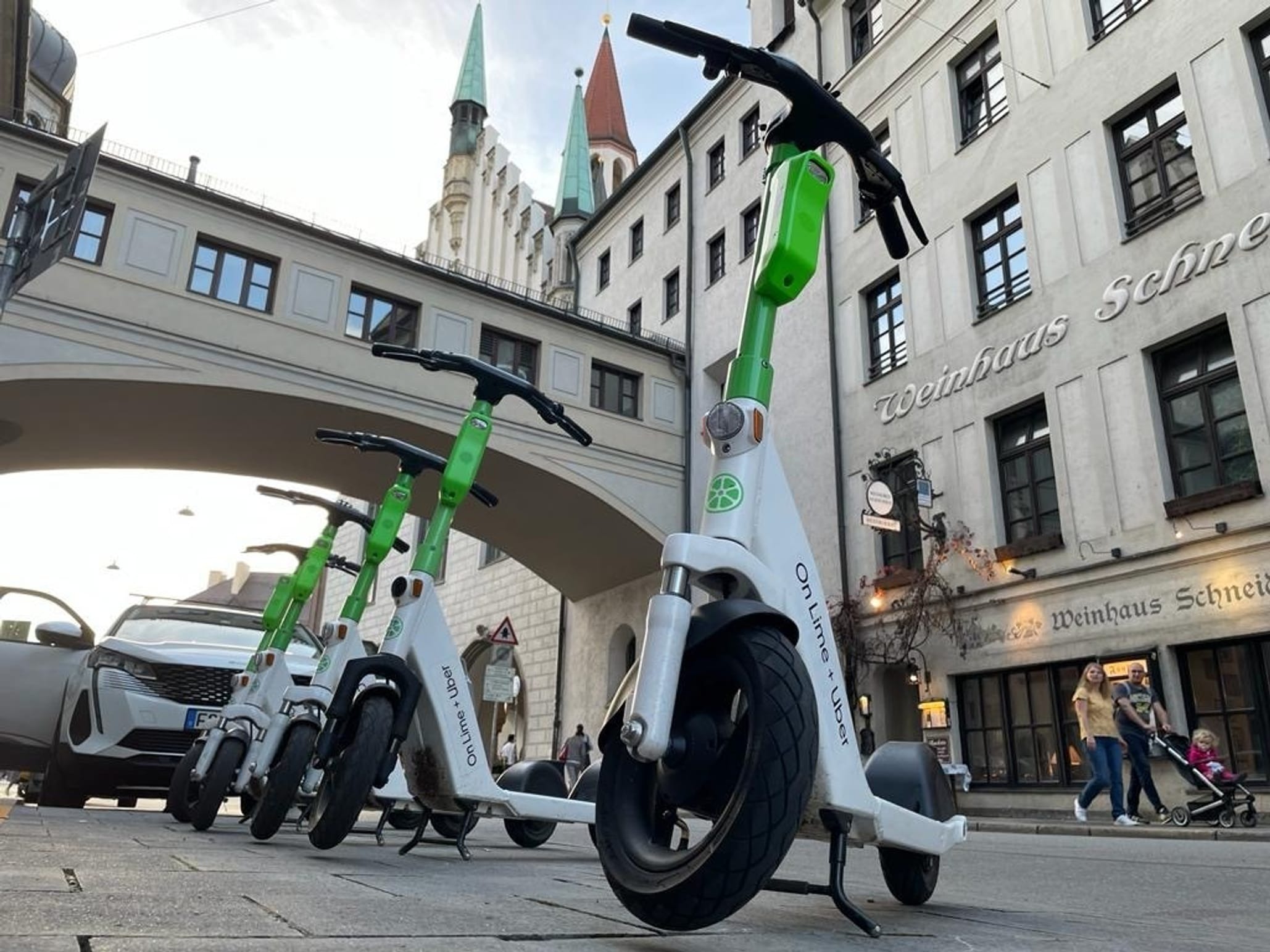
E-scooters are all over the city. Tier, Lime, and Voi are the big players. You’ll need their apps to unlock, ride, and park responsibly. Stick to bike lanes or roads—never sidewalks. Fines start at €25 for parking in wrong zones or unsafe behavior.

Use scooters for short hops: hotel to café, station to museum, or just exploring.

Final Thoughts: Pick Based on What You Need Each Day

Munich’s transportation options give you total control. Use the S-Bahn for fast travel, the U-Bahn for local runs, and trams to enjoy the scenery.

Book a taxi when comfort or timing matters. Rent a car for trips outside the city, and try a bike or scooter on sunny afternoons.

No matter your travel style, you won’t feel limited. The city is built for people on the move—smart, efficient, and always on time.

Make the most of it, stay flexible, and plan each day based on your goals. Munich rewards travelers who know where they’re going—and how to get there.

Innovations That Are Shaping the Supply Chain Industry

innovation in supply chain industry

The modern supply chain landscape is undergoing immense technology-driven transformation. With technology all around us it becomes easier to integrate various sensors and gather all data for processing in one place.

Unprecedented visibility, efficiency, and resilience in global distribution are being driven by AI, blockchain, drones, and supply chain IoT, as noted by the experts at Blues IoT. In today’s competitive landscape, companies must optimize costs while providing faster, more transparent service; this necessitates technological advancement.

Artificial Intelligence and Machine Learning

Artificial Intelligence and Machine Learning
Source: turing.com

Unlike humans, AI algorithms can quickly process exponentially larger datasets, detect intricate patterns, and learn and adapt continuously. This data processing muscle uncovers game-changing supply chain insights and process enhancements when applied to functions like:

Demand Forecasting

Evaluating vast volumes of historical data detailing past sales, promotions, inventory levels, prices changes, events, and even weather conditions by store location each year allows AI programs to accurately predict future demand shifts. Advanced machine learning models can even factor in social media trends, competitor actions, and economic indicators to further refine forecasts. This allows businesses to optimize production and inventory positioning to perfectly meet needs and minimize waste.

Procurement Analytics

Algorithms assess endless combinations of suppliers, contract terms, change order possibilities, and freight arrangements to systematically source optimal procurement solutions in minutes versus months of manual analysis. AI can simultaneously evaluate supplier reliability, financial health, and geopolitical risks to ensure resilient sourcing strategies. This slashes sourcing expenses and supplier risk while ensuring business continuity.

Predictive Maintenance

AI examines sensor statistics from conveyor belts, forklifts, and other distribution equipment to detect early performance deterioration indicative of impending breakdowns. Machine learning models continuously improve their ability to identify potential failures by learning from historical maintenance data. It then triggers proactive repairs, so assets stay functioning instead of failing mid-workflow. This prevents catastrophic downtimes that crush productivity.

Dynamic Re-Routing

If weather or traffic impede a delivery route’s pace, AI-powered mapping software instantly charts alternative paths in real-time to circumvent obstacles and ensure on-time arrival. The system can factor in variables like fuel costs, driver hours, and delivery priorities when suggesting alternate routes. Humans can’t reroute nearly as quickly or efficiently.

Inventory Optimization

AI analyzes historical stock levels, sales patterns, and supply chain disruptions to recommend optimal inventory levels across distribution networks. Machine learning algorithms can automatically adjust safety stock levels based on demand volatility and lead time variations.

Blockchain Ledgers

Blockchain serves as immutable distributed ledgers securely documenting every supply chain transactional event and asset transfer between parties. Records get permanently locked in sequences to prevent unauthorized tampering. This yields far reaching advantages like:

Enhanced Traceability

Blockchain’s encrypted audit trails comprehensively trace materials back through entire supply chain journeys across owners to precise origins. Smart contracts can automatically verify compliance with regulatory requirements and quality standards at each step. This facilitates rapid item lookups during recalls and quality checks while providing customers added transparency.

Halted Counterfeiting

As assets change hands, blockchain requires seller and buyer confirmation before transferring ownership certificates. Digital signatures and timestamps create an unalterable chain of custody. This makes duplicating goods for counterfeits virtually impossible, protecting brand integrity and consumer safety.

Automated Payments

Upon receipt of inventory shipments, blockchain networks can instantly trigger electronic payments to vendors through smart contracts without waiting lengthy billing delays. Smart contracts can also automatically adjust payments based on delivery performance and quality metrics. This boosts cash flow for sellers and reduces administrative overhead.

Supply Chain Financing

Blockchain enables new financing models by providing verified documentation of shipments and receivables. This allows suppliers to access funding more easily and at better rates.

Supply Chain IoT

supply chain iot
Source: scnsoft.com

Massive IoT sensor networks now connect trucks, shipping containers, pallets, and items themselves to supply chain stakeholders through cloud integrations.

Live Tracking

RFID tags attached to vehicles and products relay GPS coordinates in real-time, so shipments never go missing. Advanced tracking systems can even monitor individual items within containers and provide real-time visibility into loading and unloading operations. Control towers view exact locations of every asset from factories to store delivery.

Condition Monitoring

Sensors also continually monitor shipment environmental conditions like temperature, humidity, shock, and tilt. Advanced analytics can predict potential quality issues based on environmental exposure patterns. If environments shift outside acceptable thresholds during handling, alerts notify teams to quickly investigate and remedy issues before product losses.

Fleet Optimization

IoT pings monitor truck idle times, speeds, fuel usage, engine diagnostics, cargo weights, tire pressures, and traffic patterns. AI-powered analytics platforms process this data to optimize route planning, reduce fuel consumption, and prevent vehicle breakdowns. Analysis of this operational data helps optimize routing assignments and maintenance scheduling to improve delivery efficiency.

Digital Twin Technology

Digital Twin Technology
Source: orfonline.org

Virtual replicas of physical supply chain assets enable simulation and optimization of operations. Digital twins can test different scenarios and identify potential bottlenecks before they occur.

Autonomous Inventory Robots

Warehouses rush to implement armies of inventory robots like autonomous floor scrubbers, robotic carton packers, self-driving forklifts, and automated storage and retrieval systems to handle monotonous tasks without wage expenses or safety risks posed by fatigued staff. Their optimized performance also yields throughput increases up to 300% in some facilities.

Drone Deliveries

Major retailers are exploring drone delivery for the final leg of residential deliveries, as drones offer more efficient direct routes. Using drones also saves money on truck trips and driver salaries, as a single pilot can operate many of them. This system provides consumers with remarkably rapid delivery services, ensuring that their orders arrive with exceptional speed.

Conclusion

While the highlighted innovations are impressive, they merely represent a superficial glimpse into the ongoing and far-reaching progress currently being made within the field of supply chain advancements. As these technologies continue to evolve, we’re seeing increased integration between different solutions, creating even more powerful capabilities. The rise of 5G networks and edge computing will further speed up innovation by enabling real-time processing of massive amounts of supply chain data. Supply chain operations will only accelerate in speed and precision going forward thanks to such cutting-edge upgrades. Leading brands must continue harnessing the latest tools to excel in turbulent markets and exceed customer expectations while building resilient and sustainable supply chains for the future.

Babywearing and Hip Health – Ensuring Proper Support for Your Baby

Source: medtruth.com

Holding your baby close brings warmth, security, and connection, but it also plays a crucial role in their physical development. Many parents rely on baby carriers to keep their little ones snug while freeing up their hands. However, not all carriers support healthy hip positioning. Choosing the right design and carrying method ensures your baby’s comfort and prevents hip issues like dysplasia. Let’s break down everything you need to know about supporting hip health while using a carrier.

Key Points

  • Proper support keeps hip development on track, preventing future issues.
  • Not all carriers provide the right alignment for growing hips.
  • An ergonomic design ensures comfort for both parent and child.
  • Adjustable settings help maintain a secure and safe fit.
  • Pediatricians recommend specific carrying methods for hip stability.
  • Signs of improper support include discomfort and limited movement.
  • Carriers with wide bases prevent unnecessary strain.
  • Parents should choose materials that offer both breathability and durability.
  • Always check carrier guidelines based on the baby’s age and weight.
  • Hip-safe carrying methods vary as the baby grows.

Choosing Baby Carriers That Support Hip Health

Choosing Baby Carriers That Support Hip Health
Source: wearmybaby.co.uk

Finding the right baby carrier is essential for ensuring proper hip development. Many parents focus on comfort and ease of use, but the structure of a carrier plays a huge role in supporting healthy growth.

A carrier should not force a baby’s legs into an unnatural position, which can increase the risk of hip dysplasia. Instead, the ideal carrier will hold the baby in a position that mimics its natural posture in the womb.

What to Look For:

  • Wide, supportive base – A narrow seat may force the legs into a straight position, which is not ideal for hip growth. A broad, ergonomic seat encourages the legs to remain in an ‘M’ position, ensuring proper development.
  • Ergonomic structure – A well-designed carrier supports not just the hips but also the back and neck, ensuring full-body comfort.
  • Adjustability – The Straps and seat width should be flexible to accommodate a growing baby. As your child grows, an adjustable carrier will continue to provide the right amount of support.
  • Breathable fabric – Soft yet durable materials prevent overheating and ensure a pleasant experience for both parent and child.

A carrier that meets these requirements will not only be comfortable but will also support hip health through every stage of development.

Best Carrying Methods for Healthy Hip Development

Source: yahoo.com

Many parents wonder how they should hold their babies to promote healthy hip growth. Certain carrying methods provide better support than others, allowing the hips to remain in an optimal position. Pediatricians emphasize that improper positioning over long periods can lead to complications, so it’s crucial to make adjustments as needed.

Optimal Methods:

  • M-Position (Frog-Legged Seat): The knees should always be above the hips, ensuring that weight is evenly distributed. Babies naturally adopt this posture when picked up, and a good carrier will maintain it.
  • Front Inward Facing: For newborns, inward-facing carries are the best way to provide security while keeping the hips and spine properly aligned. This method allows a baby to rest against a parent’s chest, reducing unnecessary strain.
  • Hip Carry: As infants gain more control over their head and neck, carrying them on the hip can offer a comfortable way to distribute weight while maintaining proper leg positioning.
  • Back Carry: When babies get older, carrying them on the back ensures they still receive proper support while giving parents more mobility.

Signs Your Carrier Isn’t Providing Proper Support

Source: kosterclinic.com

Not all carriers provide adequate support, and some may even contribute to discomfort or developmental concerns.

Parents should always pay attention to how their child reacts to the carer and make adjustments if needed. There are a few clear signs that a carrier might not be offering the right support.

If a baby’s legs are hanging straight down without any knee support, it could mean that the hips are not in an optimal position. Proper hip support ensures that the legs are slightly bent, forming an ‘M’ shape. Additionally, if the baby’s weight is shifting downward rather than being evenly distributed across the seat, it’s time to adjust or replace the carrier.

Other warning signs include:

  • Visible discomfort or fussiness – If a baby seems restless or tries to adjust frequently, they might not be sitting comfortably.
  • Restricted movement – A properly designed carrier allows a baby to move their legs slightly. If their legs feel stiff or look overly confined, the carrier may not be the right fit.
  • Pressure marks or red areas – If there are signs of strain on the thighs or hips, the carrier could be too tight or improperly positioned.

If any of these issues arise, small adjustments can make a big difference. Ensuring the right fit will improve comfort while also promoting healthy hip development.

Best Materials for Long-Term Comfort and Support

Source: smallfootprintfamily.com

The material of a carrier plays a significant role in how comfortable it is for both the baby and the parent. Some fabrics provide better breathability, while others offer more durability. Choosing the right material can make the difference between a comfortable carrying experience and one that leads to overheating or irritation.

Top Fabric Choices:

  • Cotton blends – Known for their softness and breathability, cotton blends are a favorite for many parents. They are easy to clean and provide a comfortable surface for a baby’s sensitive skin.
  • Linen – A highly durable and breathable material, linen is excellent for warmer climates. It helps to regulate temperature and ensures that both the parent and baby remain cool.
  • Bamboo fabric – This material is hypoallergenic, moisture-wicking, and extremely soft. It’s an excellent choice for parents looking for a natural and eco-friendly option.
  • Mesh panels – If you live in a hot climate or need extra airflow, carriers with mesh panels provide great ventilation, reducing overheating risks.

Choosing a high-quality fabric ensures that the carrier remains durable while also offering a comfortable and safe experience for your child.

Age and Weight Considerations for Hip Safety

Source: oschaslings.com

As babies grow, their needs change. A newborn requires full-body support, while an older infant can handle more flexibility. Parents should always match the carrier to their child’s developmental stage to prevent unnecessary strain.

Newborns (0-4 months) require a structured carrier that supports the head, neck, and back. Their hips should always remain in an ‘M’ position, and the carrier should keep them close to the parent’s body.

Infants (4-12 months) can begin exploring new positions, including hip carries, but they should still have ample thigh support. For toddlers (12+ months), a back carry often becomes the most comfortable option, ensuring continued support for their legs and spine.

Making these adjustments as a child grows ensures continued comfort and proper development.

Cyber Insurance Underwriting: Security Practices Impact Premiums

Cyber Insurance Underwriting
Source: linkedin.com

Cyber insurance underwriting is a necessary evil in the digital era. Companies and government agencies alike need to protect themselves against significant financial losses in the event of a cyberattack. Insurance companies provide coverage through policies that can be quite expensive. To the insured, keeping premiums as low as possible is all about taking the necessary precautions.

Common sense dictates that security practices impact premiums. Cyber insurance is no different than any other form of insurance in this regard. Proper practices reduce risk. When risk goes down, premiums are more easily controlled. It is the way insurance has always worked.

Insured organizations should also know that underwriters utilize a variety of tools to help them assess risk. DarkOwl, a leading darknet data firm with cutting edge cybersecurity solutions, “enables cyber insurance carriers, reinsurers, and technology platforms to leverage the deepest source of darknet data to better identify, benchmark, and measure” their risks. In other words, insurance carriers and underwriters are paying attention to what their clients are doing.

Ransomware and Email Scams

Ransomware and Email Scams
Source: eclipse-online.com

Research conducted last summer reveals that more than 80% of all cyber insurance claims are related to one of two issues: ransomware and email scams. It’s a hard number to swallow for people who just assume that modern hacking is a complex and technologically advanced enterprise.

No doubt hackers have become more sophisticated in the way they do things. But at the end of the day, they go after the softest targets. Hackers know that ransomware attacks are easy to pull off if they can just manage to steal credentials. And credentials are easily stolen through email scams.

What does this mean to cyber insurance underwriting? It means that organizations that do not take every possible step to secure credentials and email present a higher risk. Those organizations will pay higher cyber insurance premiums – if they can find insurance carriers to cover them at all.

Two Easy Solutions

The interesting thing about all of this is that there are two easy solutions that address most problems related to ransomware and email scams. Here they are:

1. Multi-Factor Authentication

Multi-factor authentication (MFA) is one of the most effective tools in the fight against network breaches. Even when credentials are stolen, MFA makes it extremely difficult for hackers to gain unauthorized access in a straightforward way. They need to work a lot harder to get in.

2. Secure Email Systems

Secure Email Systems
Source: vnetwork.vn

A secure email system with robust security tools is an excellent weapon against email scams. For example, Google Workspace is a highly respected platform and one that cyber insurers trust. The more secure an email service is, the less likely hackers are to leverage it for stealing credentials and other sensitive information. This explains why that same research reveals that customers who use Google Workspace pay lower cyber insurance premiums.

The Problem of Self-Managed VPNs

Problem of Self-Managed VPNs
Source: nordlayer.com

On the other end of the spectrum are self-managed virtual private networks (VPNs). Companies utilizing them are apparently more than three times more likely to file cybersecurity claims. Ransomware is the big culprit.

It would appear as though self-managed VPNs are not as secure as they should be. That could be due to the improper assumption that a VPN is already the most secure type of network out there. But it’s not. Hackers know their way around most VPNs. It is only a matter of time before they breach a targeted network.

Cyber insurance carriers and reinsurers are wary of self-managed VPNs. Any clients utilizing them undoubtedly pay higher premiums. One suggestion for mitigating higher insurance costs is to employ managed detection and response (MDR) alongside a VPN.

Backups Shouldn’t Even Be a Question

Multi-factor authentication and secure email represent two fairly easy ways to prevent ransomware attacks and stolen credentials via email. And when email is secure, the likelihood of phishing attacks also goes down. But given that ransomware is so popular, there is yet another tool cyber insurance underwriting looks for: the simple backup.

According to last summer’s research, companies employing robust backup techniques are more than two times less likely to have to pay a ransom. It makes sense. There is no need to pay a ransom when your entire system can be restored with a backup. The fact is that backups should not even be a question.

The 3-2-1 Principle

The cyber insurance industry recommends handling backups based on the 3-2-1 principle. Here’s how it works:

  • Organizations create 3 separate backups.
  • Backups are saved to a minimum of 2 different media types.
  • At least 1 backup is stored off-site.

According to a report from a well-known cyber insurance company, policyholders implementing the 3-2-1 principle experienced 72% lower financial losses – related to ransomware – compared to businesses that did not maintain robust backups.

A Crime That Commands Millions

It’s no wonder that cyber insurance carriers focus so much attention on ransomware. It is a fairly easy crime to commit and one that can net millions of dollars per incident. In fact, one of the most infamous ransomware attacks committed in 2024 cost Change Healthcare some $22 million.

That is a huge payday for an individual hacker or a group that probably spent minimal time stealing credentials and breaking into a network. Once in, it probably took some work to lock down the network, but the payday was worth it.

Insurance companies looking at payouts worth millions are facing their own sizable risks. Likewise for the reinsurers that keep them solvent. Up and down the insurance supply chain, risk influences premiums. That’s just the way it is.

Cyber Insurance Underwriting in 2025

Cyber Insurance Underwriting
Source: heliontechnologies.com

Numbers from 2024 indicate a record-breaking year for hackers specializing in ransomware. Conversely, it was a bad year for cyber insurance underwriting. What will change in 2025? Obviously, premiums will go up commensurate with increased risk. But expect insurance carriers, reinsurers, and technology platforms to double down on their efforts to detect threats before they materialize. The only way they mitigate their losses is to stay one step ahead of the attackers.

Nusa Penida Real Estate 2025: What Investors Need to Know

Nusa Penida Real Estate

The allure of Nusa Penida is hard to resist. A tropical paradise with stunning landscapes, turquoise waters, and a growing tourism industry, it’s no surprise that the island has become a hotspot for property investments. As someone who’s been following the market closely, let me walk you through the essential things you should keep in mind if you’re considering investing in real estate here in 2025.

Why Nusa Penida is Catching Attention

First off, let’s talk about what makes this island so special. Located just off the coast of Bali, Nusa Penida offers everything from breathtaking cliffside views to serene beaches. The tourism industry here has been booming over the past few years, and it’s no longer just a hidden gem – it’s a sought-after destination.

For property investors, this growth spells opportunity. More tourists mean more demand for accommodations, restaurants, and experiences. And with the Indonesian government pouring resources into infrastructure, access to the island is only improving.

Nusa Penida also stands out for its unique charm and relatively unspoiled nature compared to its neighboring islands. While Bali has become synonymous with bustling tourist hubs, Nusa Penida retains a sense of tranquility and authenticity that appeals to a growing segment of travelers seeking off-the-beaten-path experiences. The island’s crystal-clear waters, vibrant marine life, and iconic spots like Kelingking Beach and Angel’s Billabong attract adventurers and nature enthusiasts alike. This balance of natural beauty and emerging development makes it a prime location for those looking to invest in a place that blends serenity with potential for growth.

Types of Properties to Consider

Nusa Penida property

The options in Nusa Penida are diverse, catering to different investment goals:

  • Residential Villas: Perfect for those targeting short-term rentals. Tourists are increasingly seeking private stays over traditional hotels.
  • Commercial Spaces: Think boutique cafes, beach clubs, or even co-working spaces to cater to digital nomads.
  • Raw Land: If you’re looking to develop something from scratch, land purchases are a popular choice.

Each type has its pros and cons. Villas can yield steady income but require higher upfront costs, while land is more affordable but comes with development challenges. It’s all about what fits your vision.

Legal Considerations

Buying property in Indonesia can be tricky for foreign investors due to local regulations. You can’t technically own land outright unless you’re an Indonesian citizen. Instead, foreign buyers typically use leasehold agreements or establish an Indonesian company (PT PMA) to secure ownership rights.

Hire a trustworthy legal advisor familiar with Indonesian property law. They’ll ensure the process is smooth and compliant, saving you headaches later.

What’s New in 2025?

real estate market in Nusa Penida

The real estate market in Nusa Penida is evolving. Here are a few trends:

  • Eco-Friendly Developments: Sustainability is no longer optional. Eco-conscious tourists are driving demand for properties that minimize environmental impact.
  • High-End Villas: Luxury accommodations are gaining traction as more affluent travelers discover the island.
  • Infrastructure Growth: Better roads, reliable utilities, and faster ferries are making the island more accessible and livable.

These shifts are shaping the way investors approach the market. Properties aligned with these trends are likely to see higher returns.

How to Start Your Investment Journey

Before jumping in, it’s crucial to research. Visit the island, talk to locals, and get a feel for the market. Some practical steps include:

  • Networking: Connect with real estate agents, developers, and other investors who know the landscape.
  • Financial Planning: Factor in costs like land taxes, maintenance, and legal fees.
  • Location Matters: Areas like Crystal Bay and Atuh Beach are hot picks, but less developed regions could also offer hidden gems.

When you’re ready, a great place to begin is PenidaLand. They offer a variety of listings and helpful insights to get you started.

Challenges to Watch Out For

Investing in paradise isn’t without its hurdles, and being aware of potential challenges can make all the difference in your journey. Here are some key factors to keep in mind:

Market Volatility: Tourism-driven markets like Nusa Penida can experience fluctuations due to global events, such as economic downturns or travel restrictions. For instance, the COVID-19 pandemic caused a significant dip in tourism worldwide, impacting rental and property values in tourist-heavy locations. It’s crucial to plan for such uncertainties by diversifying your investment or setting aside a financial cushion for lean periods.

Environmental Concerns: Nusa Penida’s pristine beauty is one of its biggest attractions, but it’s also a fragile ecosystem. Coastal erosion, deforestation, and overdevelopment are growing threats. Properties located too close to eroding cliffs or in environmentally sensitive areas may face legal restrictions or structural risks in the future. Opting for sustainable, eco-friendly designs can help mitigate some of these challenges while aligning with the growing demand for green tourism.

Infrastructure Limitations: While the island is developing, some areas still struggle with inconsistent utilities, such as electricity and water supply. Internet connectivity, though improving, might not meet the standards required for tech-heavy businesses. These limitations can increase costs for investors who may need to install private systems or make alternative arrangements.

Cultural Sensitivity: Respect for local customs and traditions isn’t just about good manners; it can significantly impact your investment’s success. Ignoring cultural norms could lead to strained relationships with the community, and in extreme cases, even legal disputes. Engaging with locals and participating in the community will go a long way in building goodwill and long-term success.

Regulatory Hurdles: Indonesian property laws can be complex, especially for foreign investors. From leasehold agreements to zoning restrictions, navigating the legal landscape requires diligence. Working with a knowledgeable legal advisor who understands local regulations can save time and prevent costly mistakes.

Why Now is the Time

The year 2025 marks a pivotal moment for Nusa Penida. Tourism is rebounding stronger than ever post-pandemic, and the island’s real estate market is on the cusp of significant growth. Early investors are likely to reap the benefits as the island continues to develop.

Nusa Penida is more than just a beautiful place; it’s a land of opportunities. With careful planning and the right approach, you can turn your investment dreams into reality.

What do you think? Are you ready to take the plunge into Nusa Penida real estate? Let’s chat in the comments!