
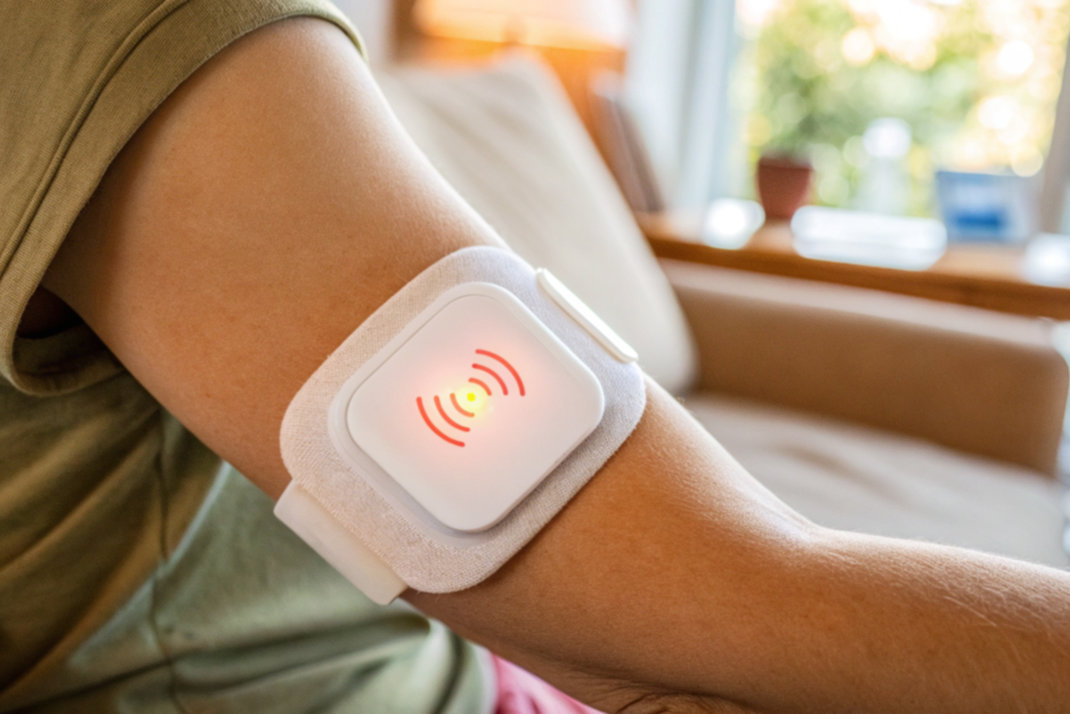
Your blood pressure monitor is just sitting there on the bathroom counter. The glucose meter is in the kitchen drawer. You wear your fitness tracker constantly. All these health gadgets collect vital information, but it’s like they’re all speaking different languages.
Most healthcare devices work alone, creating islands of data that never connect. This communication breakdown causes genuine problems for patients and doctors trying to see the complete health picture.
The Communication Problem in Your Medicine Cabinet
Healthcare devices typically operate in isolation. The smart scale records weight but doesn’t tell the blood pressure cuff. While monitoring rest patterns, the sleep tracker keeps that information private. The pill reminder app does not know what the heart rate monitor discovered yesterday.
Patients often need to manage many apps and their associated passwords. There’s an app for blood sugar, another for blood pressure, and a third for medication reminders. Some devices don’t even have apps; they just display numbers on tiny screens that patients must write down on paper. Then comes the doctor’s appointment where patients try to remember or scramble through notes to share their readings.
Doctors face the same frustration from their side. They receive fragments of information from different sources at different times. The complete story of someone’s health gets lost in the chaos. Making good medical decisions becomes harder when critical information sits trapped in disconnected devices.
Why Interoperability Matters More Than Ever
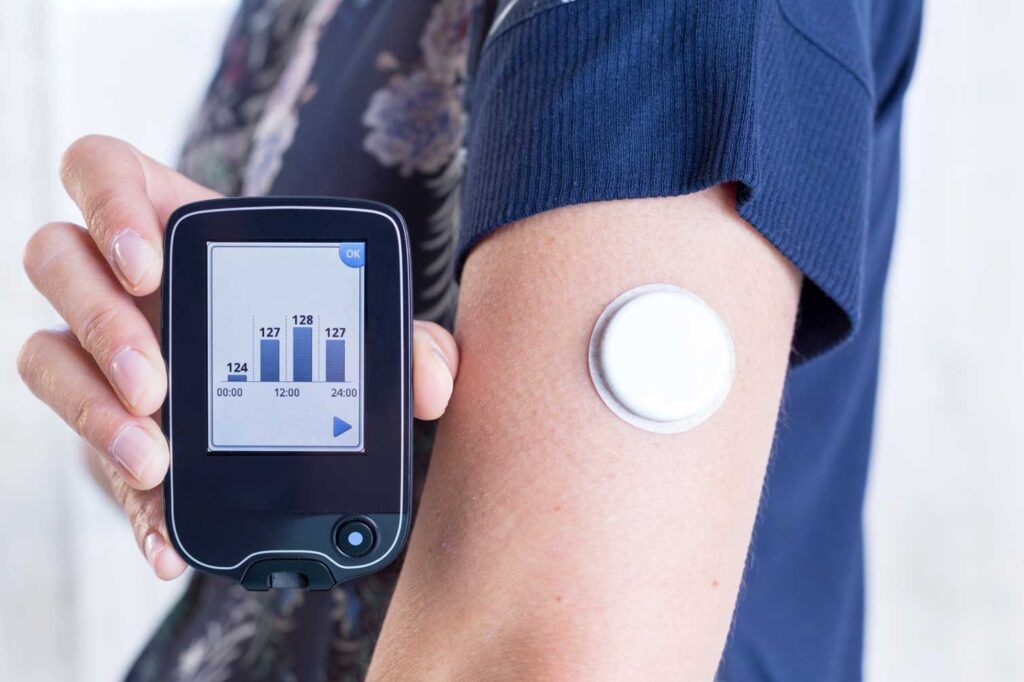
The real issue is not just inconvenience – it is fragmentation. When devices cannot communicate, healthcare becomes reactive instead of proactive. Interoperability, or the ability of systems to exchange and use data, is essential for modern care. Without it, critical signals remain hidden in separate silos.
Healthcare IoT systems are specifically designed to solve this by enabling devices to share real-time data across platforms, improving clinical decisions and patient outcomes.
When devices remain disconnected, several risks emerge:
- Important patterns go unnoticed
- Doctors rely on incomplete or outdated data
- Patients become responsible for manual tracking
- Treatment decisions may lack full context
Interoperability is the foundation for accurate, continuous care.
The Promise of Connected Healthcare
When devices finally start talking, healthcare transforms. Blood pressure data is automatically logged in medical records. Glucose levels prompt medication reminders. Weight changes alert doctors to potential problems. Everything works together instead of separately. IoT medical device solutions are breaking down these communication barriers by creating universal languages for healthcare gadgets.
Companies like Blues IoT have developed IoT medical device solutions that help different brands and types of medical devices share information reliably, even in homes with poor internet connections. This connectivity means doctors see complete, real-time health data instead of scattered fragments from last month’s readings.
Connected devices catch problems earlier. A weight gain combined with increased blood pressure might signal heart trouble. Rising glucose levels paired with decreased activity could warn of diabetes complications. These patterns become visible only when devices share information. Silence between devices means missed warnings that could save lives.
Patients benefit from simplified management too. One app instead of seven. Automatic recording instead of paper logs. Actual conversations with doctors based on complete data rather than fuzzy memories of what the blood pressure might have been last Tuesday.
The Hidden Benefits of Data Working Together
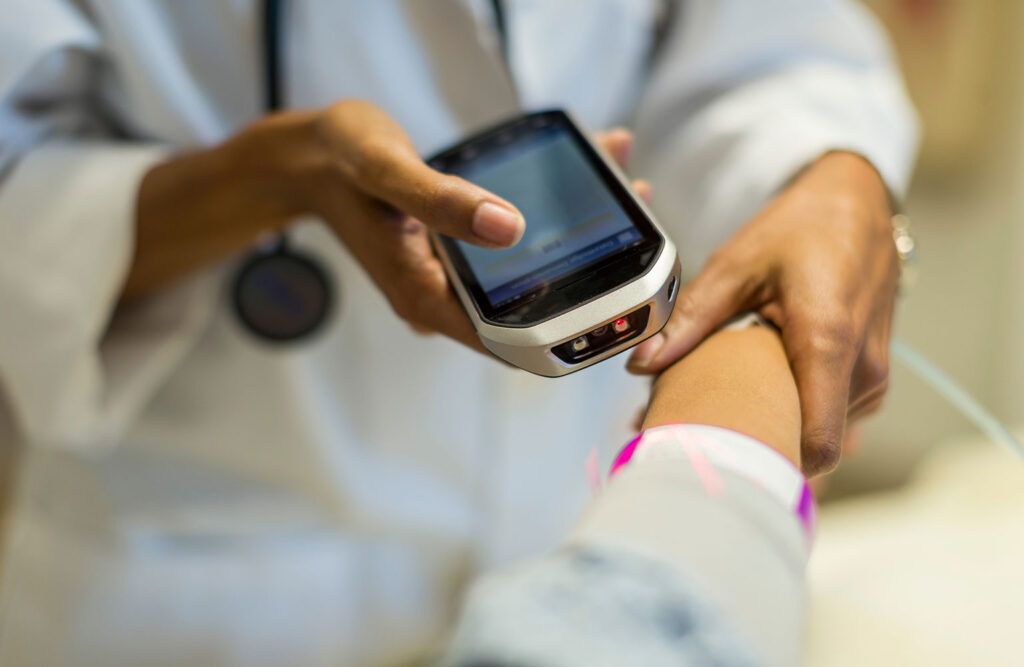
When healthcare devices communicate, the benefits extend beyond convenience. The real transformation happens in how care is delivered and experienced.
Connected systems enable:
- Continuous monitoring: Devices track health metrics 24/7 instead of during occasional checkups
- Early intervention: Alerts are triggered when unusual patterns appear
- Reduced hospital visits: Remote monitoring minimizes unnecessary appointments
- Better chronic disease management: Conditions like diabetes or hypertension are tracked in real time
Studies show that connected healthcare systems improve outcomes by enabling early detection and timely intervention, reducing complications and costs.
This shift turns healthcare into an ongoing process rather than a series of isolated visits.
Challenges That Still Keep Devices Silent
Despite progress, many devices still fail to communicate effectively. The reasons are not always obvious, but they are significant.
Some of the biggest challenges include:
- Different standards: Manufacturers use incompatible protocols
- Data inconsistency: Devices store information in different formats
- Security concerns: Sharing data increases privacy risks
- Legacy systems: Older devices were never designed to connect
These barriers make integration difficult, even when the technology exists.
Until these issues are addressed, many patients will continue juggling disconnected tools instead of benefiting from a unified system.
Making Your Devices Talk
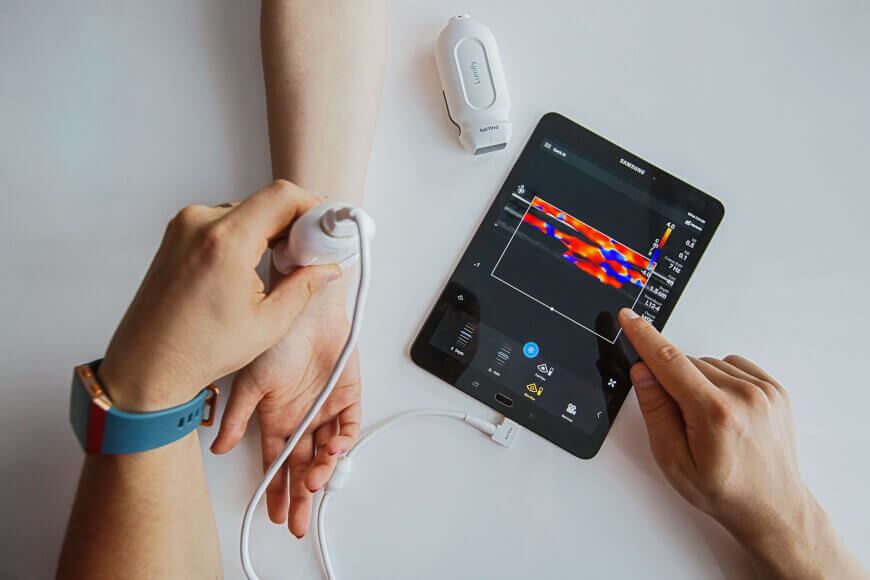
Some newer devices come ready to communicate. They follow emerging standards that allow basic data sharing. Patients should ask about connectivity when buying new health monitors. Pharmacists and medical supply stores can recommend devices that work together.
Several platforms now act as translators between different devices. These digital interpreters gather information from multiple sources and consolidate it. Giving doctors access to these platforms allows patients to build a more complete health record. Healthcare providers increasingly offer connected device programs.
They provide compatible equipment and teach patients how to use it. Insurance companies sometimes cover these devices because connected monitoring prevents expensive hospital visits.
Practical Steps to Build a Connected Health Setup
Patients do not need to replace everything at once. A gradual approach often works best.
Start by focusing on:
- Choosing devices that support shared platforms
- Using a central health app or dashboard
- Asking healthcare providers about integration options
- Prioritizing devices that automatically sync data
Even small steps toward connectivity can significantly improve how health information is tracked and used.
Conclusion
Most healthcare devices still work in isolation, creating frustration and potentially missing important health patterns. The technology exists to connect these devices and share vital information between patients and doctors.
Medical devices will no longer operate silently, with the rise of connectivity standards and patient demand for communication. It’s not a question of whether your devices should communicate, but how rapidly you can enable that communication. Your health depends on ending the silence between the gadgets monitoring your body.