Home Blog

Why AI Product Development Should Focus on Adoption Before Automation

Source: scopicsoftware.com

Automation gets most of the attention in AI conversations. Companies want AI to reduce manual work, speed up operations, and remove repetitive tasks from overloaded teams.

Those goals are reasonable. But in AI product development, automation is rarely the first problem to solve. Adoption is.

If users do not trust the product, understand the output, or see how it fits into their workflow, automation will not matter. The tool may work in a demo and still fail in daily use.

That is why successful AI products often begin with assistance, visibility, and user confidence before moving into deeper automation.

People Adopt AI When It Reduces Friction

Source: techhelp.ca

Most users are not looking for an AI product because it is novel. They adopt it because it makes a frustrating task easier. It helps them find the right information faster.

It drafts something they can quickly edit. It summarizes a long record. It flags the exception they would otherwise miss. It removes a few steps from a process they already understand.

That kind of value is practical. It does not ask users to change everything at once. It meets them inside a familiar workflow and improves one part of it.

This is often a better starting point than full automation, especially in business environments where accuracy, review, and accountability matter.

The best early AI use cases usually share a few traits:

  • They address work people already do frequently
  • They reduce time spent switching between tools
  • They help users act with more context
  • They keep the final decision close to the person responsible for it
  • They make the output easier to review, edit, or verify

This is why small improvements can create meaningful adoption. A support agent who saves five minutes on every case may quickly see the value.

A sales manager who gets a better renewal brief before every customer call does not need to be convinced that the tool is useful.

A compliance team that can review source-backed summaries instead of searching through long records gets value without giving up control.

Friction reduction also creates a lower barrier to trust. Users are more willing to try AI when it helps with a specific, recognizable problem.

They do not need to believe that the system can handle everything. They only need to see that it can make one important task easier, faster, or less error-prone.

Full Automation Can Create Resistance

When companies lead with full automation, they can trigger the wrong reaction. Employees may worry that the system will make decisions without enough context.

Managers may worry about risk. Legal and compliance teams may worry about auditability. Customers may notice when an automated response feels wrong or careless.

The resistance often comes from uncertainty about what the system is allowed to do:

  • Can users see why the AI made a recommendation?
  • Can they override the output?
  • Who is accountable if the system takes the wrong action?
  • What happens when the case does not fit the usual pattern?
  • How are sensitive, regulated, or customer-facing decisions reviewed?

These concerns do not mean AI automation is a bad idea. They mean the product needs to earn trust gradually. A first version might summarize cases instead of resolving them.

It might recommend a next step instead of taking action automatically. It might draft a response for human approval instead of sending it directly.

Each of those steps creates value while keeping people in control.

This staged approach is especially important in workflows where the cost of a mistake is high. A wrong internal summary may be easy to correct.

A wrong customer message, policy interpretation, refund decision, or compliance action can create larger consequences.

When users understand that AI is there to support judgment rather than replace it immediately, they are more likely to engage with the product honestly.

Leading with assistance also gives the company a chance to observe real behavior before expanding automation. Teams can see which recommendations users accept, which outputs they revise, and which parts of the workflow still require human judgment.

That evidence is much stronger than assuming in advance that a process is ready to be automated end-to-end.

Design for Human Review

Source: masterwriter.com

Human review should not be treated as a failure of AI. In many products, it is the correct design choice. Review points allow users to check accuracy, apply judgment, and catch exceptions before mistakes reach customers or internal systems.

Good AI product design makes review easy. It shows the source material. It explains why a recommendation was made.

It allows users to edit the output. It captures feedback when the AI is wrong. It gives the user a clear path to approve, reject, revise, or escalate..

A strong review experience should reduce the user’s cognitive load instead of adding another layer of work.

The product should make it obvious what needs attention, what source material was used, and where the AI may be uncertain. Review should feel like a natural checkpoint in the workflow, not a separate task that slows everything down.

This matters because users rarely trust AI in the abstract. They trust it through repeated interactions where the output is useful, inspectable, and easy to correct.

When review is built into the product experience, users can develop confidence without being asked to surrender judgment.

Human review also creates a feedback loop for the business. Every correction, rejection, or edit can reveal something about the product.

The source material may be incomplete.

The prompt may be too broad. The workflow may need another step. The interface may not be showing the right context. A well-designed AI product turns review behavior into roadmap intelligence.

Use Adoption Signals to Guide the Roadmap

Adoption should be measured with more than login counts.

A team should look at how often users accept suggestions, how much they edit AI-generated drafts, where they abandon the workflow, which outputs they ignore, and which tasks they repeat manually despite having AI support.

Those signals reveal where the product should improve. If users constantly rewrite the output, the issue may be tone, missing context, or weak source material.

If users avoid a feature, the workflow may not match how the task is actually done.

If users trust summaries but not recommendations, the next iteration should strengthen decision support before expanding automation.

The most useful adoption data often comes from behavior inside the workflow:

  • Acceptance rates for recommendations or generated drafts
  • Edit distance between AI output and final user-approved output
  • Time saved on repeated tasks
  • Frequency of manual overrides
  • Common reasons for rejection or escalation
  • Tasks users continue to complete outside the AI product

This kind of data helps teams avoid building based on assumptions. A feature may look impressive in a demo but fail because it does not fit the real workflow.

Another feature may seem small but become essential because it removes a painful daily step. Adoption signals show where the product is actually creating value.

Qualitative feedback matters too. User interviews, review notes, support requests, and manager observations can explain why the numbers look the way they do.

A low acceptance rate may not mean the AI is poor. It may mean users do not understand the source, the interface hides key context, or the recommendation arrives too late in the process.

Combining behavioral data with user feedback gives the team a clearer path forward.

A good AI roadmap should become more focused over time. Early versions test where assistance is useful.

Later versions refine the experience, strengthen the data layer, and identify which steps are ready for more automation.

The roadmap should follow evidence from real usage, not pressure to automate everything as quickly as possible.

Automation Comes After Confidence

The strongest path is often staged. Start with AI assistance. Measure trust and usage. Improve the data layer and user experience. Then automate the steps that are low-risk, repetitive, and consistently validated by human behavior.

This approach keeps the product grounded. It prevents the team from automating a process before it understands the exceptions. It also gives the business evidence for where automation will create value rather than disruption.

A staged automation path might move through several levels of maturity:

  • AI summarizes information for human review
  • AI recommends a next step with supporting context
  • AI drafts an action that a user approves
  • AI completes low-risk actions with human oversight
  • AI handles specific routine workflows automatically
  • AI escalates exceptions when confidence is low or rules are unclear

Each stage should be earned. The team should know which tasks are predictable, which exceptions appear often, and which outputs users already trust.

Automation becomes much safer when it is based on observed confidence rather than theoretical capability.

This also helps teams communicate more clearly with stakeholders.

Instead of promising broad transformation immediately, the product team can show a practical path: start with assistance, prove value, improve reliability, and expand automation where the evidence supports it.

That framing can reduce fear, align departments, and make AI adoption feel more manageable.

Confidence is not only a user issue. It is also an organizational issue. Managers need confidence that the product improves productivity without increasing risk.

Compliance teams need confidence that decisions can be audited. Product leaders need confidence that the roadmap is tied to measurable outcomes. A staged approach gives each group the evidence it needs.

Where Product Expertise Helps

Source: gojilabs.com

Goji Labs, an AI product development agency, helps teams think through this progression from AI strategy and prototyping to user experience, workflow automation, data infrastructure, and continuous improvement.

That full-cycle perspective matters because AI products rarely succeed by jumping straight to automation.

They succeed when the product earns user trust, proves value in a focused workflow, and then scales intelligently.

A product-focused partner can help teams make the right decisions at each stage:

  • Identifying workflows where AI can reduce friction quickly
  • Designing prototypes that test real user behavior
  • Building review experiences that support trust and accountability
  • Structuring the data layer so outputs are grounded and verifiable
  • Defining adoption metrics that go beyond surface-level usage
  • Creating a roadmap from AI assistance to responsible automation

That combination of strategy, design, engineering, and iteration is important because AI products sit at the intersection of technology and behavior.

The model may be powerful, but the product still has to fit the way people work. It has to show the right context, support the right decisions, and improve over time based on real usage.

The most successful AI products are not the ones that automate the most on day one.

They are the ones that solve a clear problem, reduce friction in a familiar workflow, and give users enough visibility to trust the result.

From there, automation can grow naturally into the areas where it is most useful, least risky, and best supported by evidence.

Conclusion

AI product development should not treat automation as the first milestone.

The first milestone is adoption. Do users understand the product? Do they trust the output? Does it reduce friction? Does it fit the way work already happens?

Once those questions are answered, automation becomes easier to justify and easier to scale. Companies that focus on adoption first build AI products people actually use.

Companies that skip that step may automate work that users never wanted to hand over in the first place.


How to Care for Fine Diamond Jewelry to Keep It Looking New

Source: unsplash.com

Fine diamond jewelry is designed to be worn regularly, which makes proper care essential. Small habits in cleaning, storage, and handling can help maintain how each piece looks and feels over time.

Here’s a practical list of ways to care for your jewelry without overcomplicating the process.

1. Clean Your Jewelry

Regular cleaning helps maintain the look of your diamond jewelry, especially with frequent wear.

  • How often: Light cleaning at home every 2–3 weeks is ideal for everyday pieces like rings and diamond earrings. For less frequently worn items, once a month is usually enough.
  • How to clean:
    • Mix a few drops of mild liquid soap with lukewarm water
    • Let the jewelry soak for 10–15 minutes to loosen the buildup
    • Use a soft toothbrush to gently clean around the setting and underside of the diamond
    • Rinse thoroughly under clean water
    • Pat dry with a lint-free cloth and let it air dry completely

This method keeps the jewelry clean without affecting the setting or finish.

Source: thespruce.com

2. Store Pieces Separately

Proper storage plays a major role in keeping diamond jewelry in good condition over time. Even though diamonds are highly durable, they can still scratch other jewelry pieces when stored together loosely.

A few simple habits help prevent unnecessary wear:

  • Keep each piece in a separate pouch or compartment.
  • Use soft lined jewelry boxes for additional protection.
  • Store necklaces carefully to prevent tangling.
  • Avoid placing rings, bracelets, and earrings together in one container.

Careful storage helps preserve both the metal finish and the overall appearance of your jewelry collection.

3. Remove Jewelry During Certain Activities

Certain daily activities can gradually affect the condition of diamond jewelry, even when damage is not immediately visible. Exercise, lifting heavy objects, cleaning, swimming, or showering can place extra pressure on settings and expose jewelry to chemicals or residue buildup.

Workout equipment and repeated impact may slowly loosen prongs, especially on engagement rings and bracelets. Household cleaning products can affect metal finishes, while chlorine and saltwater may leave buildup that reduces shine. Soap residue from showers also tends to collect underneath diamonds, making them appear dull over time.

Removing jewelry before activities involving pressure, moisture, or chemicals is one of the easiest ways to maintain its long term appearance and structure.

Source: unsplash.com

4. Pay Attention to Settings

The setting is what keeps the diamond secure, making regular inspection important for long term wear. Small issues such as loose prongs or weakened clasps are often difficult to notice at first but can become more serious if ignored.

Several areas should be checked regularly:

  • Look for movement around the center stone.
  • Make sure clasps and closures close securely.
  • Inspect prongs for bending or uneven spacing.
  • Pay attention to any unusual looseness while wearing the piece.

This is especially important for frequently worn pieces like diamond earrings, as well as wedding bands and engagement rings. For bracelets, make sure the clasps are secure and functioning properly.

5. Avoid Direct Contact with Products

Everyday beauty and skincare products can leave buildup on diamond jewelry that gradually affects its shine. Lotions, perfumes, hairsprays, and creams often create a thin layer over the surface of the diamond and metal, reducing light reflection and making jewelry appear less bright.

A simple habit of applying products before putting on jewelry can help reduce residue buildup significantly. Allowing sprays, creams, or cosmetics to settle fully before wearing rings, earrings, or necklaces also helps maintain the finish of the metal over time. Although the buildup may not always be immediately visible, consistent exposure can slowly affect how clean and polished jewelry looks between professional cleanings.

6. Schedule Professional Cleaning

At home care is important, but professional cleaning helps maintain diamond jewelry at a deeper level. Jewelers can clean areas that are difficult to reach during regular home maintenance while also checking for early signs of wear.

Professional cleaning appointments are usually recommended every six to twelve months. During these inspections, jewelers can identify loose settings, worn prongs, or weakened clasps before they become larger problems. This extra level of care is especially useful for engagement rings and frequently worn jewelry pieces.

Source: rd.com

7. Handle with Care During Wear

Daily handling habits can affect the long term condition of fine jewelry more than many people realize. Pulling rings off quickly, adjusting bracelets repeatedly, or placing jewelry on hard surfaces can slowly create wear around settings and metal edges.

Being more mindful while wearing jewelry helps preserve both appearance and comfort. Removing pieces gently, storing them properly after use, and avoiding unnecessary contact with rough surfaces can reduce small forms of damage that build up gradually over time.

8. Travel with Proper Storage

Travel often increases the risk of jewelry scratches, tangling, or accidental damage. Pieces stored loosely inside bags or luggage can rub against hard surfaces during movement.

For better protection while traveling:

  • Use a jewelry case with separate compartments.
  • Keep necklaces secured to prevent knots.
  • Avoid carrying loose rings or earrings in handbags.
  • Store valuable pieces in protective soft lined sections.

Organized storage helps keep jewelry protected and easier to manage during trips.

9. Maintain Consistency Across Pieces

Whether your collection includes traditional diamonds or pieces featuring lab diamonds, the same care habits apply to every type of fine jewelry. Consistent cleaning, proper storage, and regular inspections help maintain the appearance and durability of each piece over time.

Small routines practiced regularly are often more effective than occasional deep cleaning. Paying attention to everyday care helps jewelry maintain its shine, structure, and overall condition for years of continued wear.

Final Thought

Caring for diamond jewelry doesn’t require complex routines. Regular cleaning, mindful storage, and occasional professional checks go a long way in maintaining how each piece looks over time.

For those looking to build or maintain a refined collection, With Clarity offers a range of designs, including pieces featuring lab diamonds and diamond earrings, making it easier to find jewelry that fits both everyday wear and long-term use.

The Design Freedom Offered by Lab-Grown Diamond Engagement Rings

The way people approach engagement rings has changed. Instead of choosing within fixed expectations, many are now shaping their decisions around preference. This shift has made lab-grown diamond engagement rings part of a broader design conversation, not just an alternative category.

What stands out is the level of flexibility they offer. When traditional limitations are reduced, attention moves toward proportion, structure, and how a ring actually feels to wear. That change is influencing how modern rings are designed.

Freedom Begins With Proportion

Design freedom is often misunderstood as having more options. In reality, it comes from being able to choose proportion without compromise.

With a lab-grown engagement ring, the relationship between the center diamond and the band can be considered more carefully. Instead of adjusting size to fit a constraint, the focus stays on balance. The diamond feels aligned with the band, rather than oversized or understated.

This is especially visible in a solitaire engagement ring, where the entire design depends on how well each element works together. There is no additional structure to rely on. The setting, the height, and the spacing must all feel intentional.

Structure Over Excess

As design flexibility increases, there is less need to rely on added elements. Rings are becoming more structured, with a clearer emphasis on how they are built.

A well-designed lab-grown diamond engagement ring does not depend on layering to create presence. Instead, it relies on how the diamond is framed, how the band supports it, and how the overall silhouette is resolved.

This approach is shaping modern engagement rings in a way that feels more considered. The design holds its own without requiring additional detail.

Another aspect that comes into play is how the ring transitions between different viewing angles. A well-structured lab-grown diamond engagement ring maintains its form whether seen from the top, side, or at an angle. This consistency is not accidental. It comes from careful control of the setting height and how the band meets the center. When these elements are aligned, the ring feels stable in hand, not just visually balanced.

Variation Within a Clear Framework

Freedom also shows in how a single style can take on different identities. Rather than moving between completely different categories, many designs now explore variation within a consistent framework.

This is where the solitaire engagement ring continues to evolve. Changes in band profile, surface finish, and subtle detailing can shift how the ring is perceived without altering its core structure.

Some prefer a smooth, uninterrupted band. Others lean toward a pavé variation that introduces dimension. The underlying silhouette remains the same, but the expression changes.

Another layer of variation comes from how the diamond itself is positioned. Slight differences in height or angle can change how the ring interacts with light and how it appears on the hand. These adjustments may seem minor, but they contribute significantly to the overall experience of wearing the ring.

Material choice also plays a role in how variation is expressed. The same solitaire engagement ring can take on a different character depending on whether it is set in yellow gold, white gold, or platinum. The shift is subtle, but it changes how the diamond interacts with the metal and how the overall form is perceived on the hand.

A Natural Extension of Design Thinking

Designers who focus on proportion tend to approach lab-grown diamond engagement rings with a different perspective. The emphasis is not on adding more, but on refining what is already there.

Jean Dousset reflects this approach through its engagement ring designs. Founded by the great-great-grandson of Louis Cartier, the brand works exclusively with lab-grown diamonds while maintaining a strong focus on structure and craftsmanship.

These designs demonstrate how variation can exist within a clear framework, rather than through contrast.

What ties these designs together is consistency in execution. Each ring follows a clear structure, but allows for variation in how that structure is expressed. This balance between consistency and flexibility is what gives the collection its strength.

How Design Freedom Shapes Everyday Wear

One of the less discussed aspects of design freedom is how it affects daily wear. A ring that is built with proportion in mind tends to sit more naturally on the hand. It does not feel top-heavy or misaligned.

This is where lab-grown engagement rings continue to influence design decisions. When proportion is controlled from the beginning, the ring requires less adjustment throughout the day. It feels stable, regardless of how it is worn.

For many, this becomes an important factor. The ring is not only chosen for how it looks, but for how it integrates into everyday life. This shift toward wearability is shaping how modern rings are designed.

This is also why many modern designs avoid unnecessary height or overly complex settings. Rings that sit closer to the hand tend to feel more secure and integrate more naturally into daily movement. The design supports how the ring is worn, rather than creating a need to adjust how it is used.

Design Freedom That Feels Intentional

The rise of lab-grown engagement ring design is not about having more choices for the sake of it. It is about having better control over how those choices come together.

When proportion is right and structure is considered, the ring feels aligned from the start. It does not need to rely on trend or excess to feel complete.

This is what defines the current direction of engagement rings. A move toward design that feels intentional, adaptable, and grounded in how it will be worn over time.

And that is where lab-grown diamond engagement rings continue to shape modern jewelry design. Not by changing what a ring is, but by expanding how it can be designed.

5 Hidden Costs of Cheap DIY Home Security

Source: slashgear.com

A $49 home security camera looks like a great deal staring at you from your phone or computer screen. And maybe it is just for the hardware alone.

But there is more to home security than the devices a homeowner installs. There is also more to the total cost than just the retail price paid for each device. When you add it all up, DIY home security is not as cheap as you might think.

Granted, professionally installed home security can cost a bit more upfront. But there are pretty affordable entry-level packages, like Vivint Home Security’s HomeProtect. An entry-level package with no required contract can be pretty competitive with DIY home security when you factor in all the costs.

Unfortunately, DIY home security comes with a bunch of hidden costs people do not tend to think about until after they start spending.

Below are the top five such costs. If you are thinking of investing in a DIY package, make sure to give each one careful consideration.

1. Monthly Monitoring

Source: homeguide.com

Monthly monitoring subscriptions cost about the same whether you install your own system or go with something like HomeProtect.

Here is the thing: some DIY providers have existing relationships with monitoring providers to guarantee reasonable monthly prices.

But others do not. If you invest in such a system, it is up to you to find a monitoring provider capable of working with your equipment. That could get expensive.

Of course, the other option is to go without professional monitoring. A lot of homeowners do just that. But DIY monitoring is not nearly is reliable.

Say you are in an important business meeting when your phone vibrates in your pocket.

Are you going to check it right away? If you are not, you could miss the fact that someone is trying to break into your home.

Professional monitoring services operate 24 hours a day, every day of the year. Every alert gets dealt with the moment it comes in.

Even when you’re not available, like during important meetings or while you are sleeping, monitoring personnel spring into action at the first sign of trouble. Can you put a price tag on that?

2. Cloud Storage Costs

That cheap video camera will not cost you much at retail. But how will you store video data? It’s not enough to rely on built-in storage, thanks to its limited capacity.

So you’ll either have to pay for cloud storage or figure out how to set up your own cloud server at home. Both options will cost at least something.

A $49 security camera will suddenly have a more expensive price tag when you sign up for cloud storage.

You can skip the cloud storage by investing in a used laptop and connecting it to your security system. But you are still spending additional money to store video data.

3. Incompatibility Costs

Source: fullmetalsoftware.com

Next up are the costs associated with incompatible devices. Building an entire system from the ground up is always risky because you could end up spending money on devices that are not compatible with your software. Then you either have to live with the incompatibility or replace those devices with new ones.

Similarly, you might buy an entry-level system as an all-in-one package. But some of the devices in your system will eventually be so outdated that they cannot be used reliably. Now you’re forced to upgrade. Even if your devices still function properly, they no longer align with your software.

It’s worth noting that this particular risk still exists with professionally installed home security. But big names are less likely to go under, leaving you with devices and software you can no longer rely on. You get a lot more stability from a name brand that comes with professional installation.

4. Fines for False Alarms

A hidden cost that gets very little attention is the amount homeowners pay for generating false alarms. As home security adoption has risen, so have the number of false alarms local police have had to respond to.

It’s gotten so out of hand in some communities that officials have drawn up local ordinances allowing ‘service fees’ charged to homeowners whose systems generate excessive false alarms.

False alarms drain resources. They also prevent emergency personnel from responding to legitimate emergencies. The challenge with DIY installation is to make sure all your devices are working properly without generating false alarms. Too many false alarms could lead to a substantial financial penalty.

Professional installers know how to position and angle cameras to prevent unnecessary triggers. They know how to install window and door sensors so that a day of heavy wind doesn’t cause a problem.

Professional installers also know how to adjust sensitivity. I’m guessing most homeowners do not.

5. The Time Tax

Source: zdnet.com

One last hidden cost is more about time and less about actual dollars and cents. I call it the time tax. It’s assessed whenever you add new devices to your system.

It’s true that DIY home security has gotten easier as time has gone by. But initial installation can still be tricky, especially if you’re using a selection of individual devices rather than a pre-packaged system. It can take days, or even weeks, to get everything working the way it should.

Adding new devices can be equally troubling. Getting a single device to communicate with all the other devices on the network could mean days of fiddling and looking online for support.

Professionally installed home security doesn’t come with those sorts of problems. Technicians do all the work.

They place devices, get them online, test them, and then show homeowners how to use them. Professional installation is the simplest way to get a new home security system and add new devices to it.

DIY home security looks cheap when the only consideration is retail pricing.

But there are hidden costs to consider. When all is said and done, you might not actually save enough on DIY security to justify the time and labor involved in doing things yourself.

Are Your Healthcare Devices Talking to Each Other?

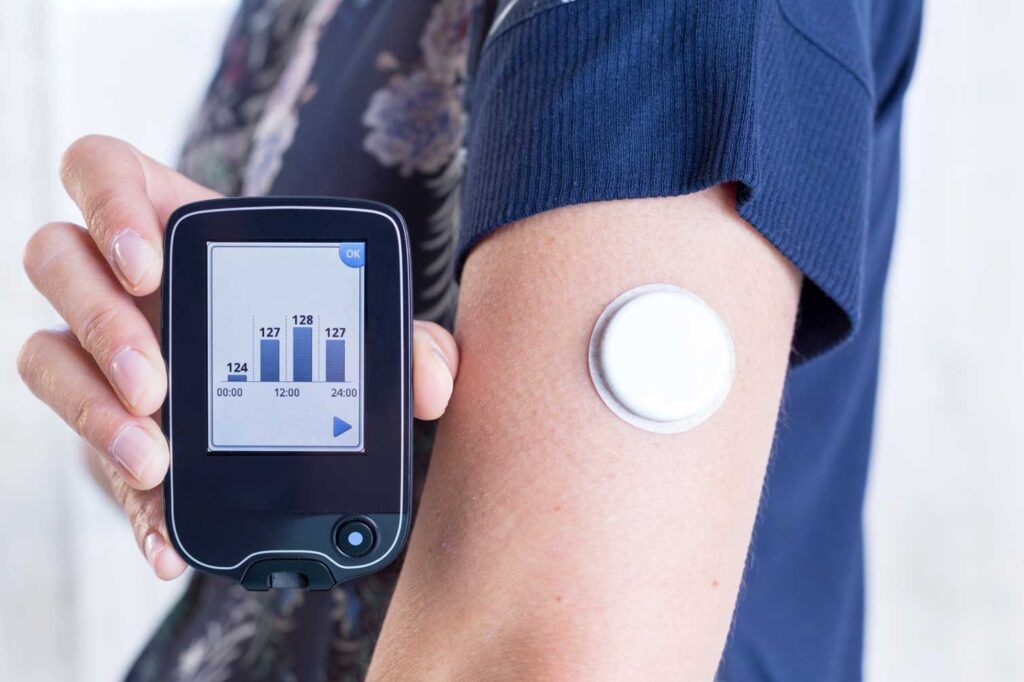
Your blood pressure monitor is just sitting there on the bathroom counter. The glucose meter is in the kitchen drawer. You wear your fitness tracker constantly. All these health gadgets collect vital information, but it’s like they’re all speaking different languages.

Most healthcare devices work alone, creating islands of data that never connect. This communication breakdown causes genuine problems for patients and doctors trying to see the complete health picture.

The Communication Problem in Your Medicine Cabinet

Healthcare devices typically operate in isolation. The smart scale records weight but doesn’t tell the blood pressure cuff. While monitoring rest patterns, the sleep tracker keeps that information private. The pill reminder app does not know what the heart rate monitor discovered yesterday.

Patients often need to manage many apps and their associated passwords. There’s an app for blood sugar, another for blood pressure, and a third for medication reminders. Some devices don’t even have apps; they just display numbers on tiny screens that patients must write down on paper. Then comes the doctor’s appointment where patients try to remember or scramble through notes to share their readings.

Doctors face the same frustration from their side. They receive fragments of information from different sources at different times. The complete story of someone’s health gets lost in the chaos. Making good medical decisions becomes harder when critical information sits trapped in disconnected devices.

Source: hospitalsmagazine.com

Why Interoperability Matters More Than Ever

The real issue is not just inconvenience – it is fragmentation. When devices cannot communicate, healthcare becomes reactive instead of proactive. Interoperability, or the ability of systems to exchange and use data, is essential for modern care. Without it, critical signals remain hidden in separate silos.

Healthcare IoT systems are specifically designed to solve this by enabling devices to share real-time data across platforms, improving clinical decisions and patient outcomes.

When devices remain disconnected, several risks emerge:

  • Important patterns go unnoticed
  • Doctors rely on incomplete or outdated data
  • Patients become responsible for manual tracking
  • Treatment decisions may lack full context

Interoperability is the foundation for accurate, continuous care.

The Promise of Connected Healthcare

When devices finally start talking, healthcare transforms. Blood pressure data is automatically logged in medical records. Glucose levels prompt medication reminders. Weight changes alert doctors to potential problems. Everything works together instead of separately. IoT medical device solutions are breaking down these communication barriers by creating universal languages for healthcare gadgets.

Companies like Blues IoT have developed IoT medical device solutions that help different brands and types of medical devices share information reliably, even in homes with poor internet connections. This connectivity means doctors see complete, real-time health data instead of scattered fragments from last month’s readings.

Connected devices catch problems earlier. A weight gain combined with increased blood pressure might signal heart trouble. Rising glucose levels paired with decreased activity could warn of diabetes complications. These patterns become visible only when devices share information. Silence between devices means missed warnings that could save lives.

Patients benefit from simplified management too. One app instead of seven. Automatic recording instead of paper logs. Actual conversations with doctors based on complete data rather than fuzzy memories of what the blood pressure might have been last Tuesday.

Source: theatlantic.com

The Hidden Benefits of Data Working Together

When healthcare devices communicate, the benefits extend beyond convenience. The real transformation happens in how care is delivered and experienced.

Connected systems enable:

  • Continuous monitoring: Devices track health metrics 24/7 instead of during occasional checkups
  • Early intervention: Alerts are triggered when unusual patterns appear
  • Reduced hospital visits: Remote monitoring minimizes unnecessary appointments
  • Better chronic disease management: Conditions like diabetes or hypertension are tracked in real time

Studies show that connected healthcare systems improve outcomes by enabling early detection and timely intervention, reducing complications and costs.

This shift turns healthcare into an ongoing process rather than a series of isolated visits.

Challenges That Still Keep Devices Silent

Despite progress, many devices still fail to communicate effectively. The reasons are not always obvious, but they are significant.

Some of the biggest challenges include:

  • Different standards: Manufacturers use incompatible protocols
  • Data inconsistency: Devices store information in different formats
  • Security concerns: Sharing data increases privacy risks
  • Legacy systems: Older devices were never designed to connect

These barriers make integration difficult, even when the technology exists.

Until these issues are addressed, many patients will continue juggling disconnected tools instead of benefiting from a unified system.

Source: medicalfuturist.com

Making Your Devices Talk

Some newer devices come ready to communicate. They follow emerging standards that allow basic data sharing. Patients should ask about connectivity when buying new health monitors. Pharmacists and medical supply stores can recommend devices that work together.

Several platforms now act as translators between different devices. These digital interpreters gather information from multiple sources and consolidate it. Giving doctors access to these platforms allows patients to build a more complete health record. Healthcare providers increasingly offer connected device programs.

They provide compatible equipment and teach patients how to use it. Insurance companies sometimes cover these devices because connected monitoring prevents expensive hospital visits.

Practical Steps to Build a Connected Health Setup

Patients do not need to replace everything at once. A gradual approach often works best.

Start by focusing on:

  • Choosing devices that support shared platforms
  • Using a central health app or dashboard
  • Asking healthcare providers about integration options
  • Prioritizing devices that automatically sync data

Even small steps toward connectivity can significantly improve how health information is tracked and used.

Conclusion

Most healthcare devices still work in isolation, creating frustration and potentially missing important health patterns. The technology exists to connect these devices and share vital information between patients and doctors.

Medical devices will no longer operate silently, with the rise of connectivity standards and patient demand for communication. It’s not a question of whether your devices should communicate, but how rapidly you can enable that communication. Your health depends on ending the silence between the gadgets monitoring your body.

Why Promising Digital Products Lose Momentum

Digital products rarely collapse overnight. Most stall gradually. Growth slows. Engagement dips. Teams increase effort, yet progress weakens.

The causes are rarely mysterious. They are structural and predictable.

What follows is a practical field guide to identifying and correcting the patterns that most often slow promising products.

1. Feature Overload: When Expansion Dilutes Value

Source: mambo.io

Feature creep begins with good intentions. A customer makes a reasonable request. The team builds it. Another opportunity appears. It gets added too.

Over time, the product grows heavier.

Complexity hides inside accumulation. Each feature looks harmless alone.

Together, they reduce clarity. New users struggle to understand what the product actually does best.

The deeper problem is psychological. Shipping something feels productive. Removing something feels risky.

Teams often default to addition because subtraction demands discipline.

Warning indicators include:

  • Onboarding requires more steps than before
  • Core tasks take longer to complete
  • Settings menus expand without clear structure
  • Users ask for guidance on basic functions

A strong product maintains a narrow center of gravity. Every addition should reinforce that center. If a feature cannot clearly strengthen the core value, it should not move forward.

Simplification is not minimalism for its own sake. It is strategic protection of usability.

2. Measuring Activity Instead of Outcomes

Data can mislead when interpreted incorrectly. Large numbers often look impressive in presentations. They rarely reflect durable growth.

Downloads, page views, and social impressions create movement on dashboards. They do not automatically create sustainable revenue.

The metrics that truly matter often look uncomfortable early on. Retention may start low. Conversion rates may disappoint. Revenue per user may appear modest.

Teams sometimes avoid those numbers because they feel discouraging.

Surface metrics create temporary confidence. Outcome metrics create clarity.

When evaluating product health, prioritize:

  • Retention over time
  • Active usage frequency
  • Revenue per user
  • Conversion from trial to paid

Each of those indicators reflects behavioral commitment, not casual interest.

If the majority of users disappear quickly, growth campaigns amplify churn. If revenue per user stagnates, traffic increases only widen inefficiencies.

Measurement discipline forces uncomfortable conversations. It also prevents prolonged decline.

3. Forgetting Why People Showed Up

Source: searchenginejournal.com

Every successful product begins with focus. It solves a specific problem clearly. Early users understand exactly why it exists.

As traction grows, expansion becomes tempting. Broader audiences appear attractive. Additional capabilities promise new revenue streams.

Gradually, clarity weakens.

The product evolves into something more general and less distinct. Loyal users struggle to recognize the experience that first attracted them.

A drifting product often shows subtle symptoms:

  • The value proposition requires long explanation
  • Marketing language shifts frequently
  • Roadmaps include loosely related initiatives

Growth does not require abandoning identity. It requires deepening the original promise.

If a product started by simplifying scheduling, new initiatives should enhance scheduling. If it began by improving collaboration speed, expansions should reinforce collaboration.

When focus dissolves, differentiation disappears.

4. Development Without Continuous Feedback

Internal confidence can create blind spots. Product teams often believe they understand user needs because they designed the system.

Without consistent external validation, that belief becomes assumption.

Extended development cycles increase risk. By the time a large feature launches, user expectations may have shifted.

A strong product strategy stays grounded in reality.

Companies like Goji Labs get this right by keeping development teams plugged into user feedback constantly, not just during launches.

Markets shift fast. Users need change faster. Teams building in bubbles always arrive late to a party that has already ended.

Isolation patterns usually include:

  • Long release cycles without user testing
  • Decisions driven primarily by internal opinion
  • Roadmaps finalized months in advance with little adjustment

Markets move quickly. Expectations evolve even faster.

Products that remain connected to real user behavior adapt more effectively. Those built in isolation often arrive polished but misaligned.

5. Scaling Before Infrastructure Is Ready

Early traction generates excitement. Growth appears within reach. Marketing accelerates. Partnerships expand.

If infrastructure and processes are not prepared, success becomes destabilizing.

Performance slows under increased load. Customer support becomes overwhelmed.

Minor technical issues escalate into public complaints.

Reputation damage spreads rapidly online.

Before aggressive expansion, several foundations must be secure:

  • Technical systems must handle traffic reliably
  • Support processes must resolve issues efficiently
  • Internal ownership must be clearly defined
  • Documentation must support operational consistency

Growth amplifies strengths and weaknesses equally. If the foundation is unstable, scale magnifies instability.

6. Internal Misalignment Across Departments

Source: lizkislik.com

Products stall when teams move in different directions. Marketing may prioritize aggressive acquisition. Product may prioritize refinement.

Engineering may focus on speed. Support may struggle with recurring issues.

Without shared priorities, friction grows internally.

Customers feel that friction externally.

Common alignment breakdowns include:

  • Marketing promises features that are incomplete
  • Leadership shifts strategy without clear communication
  • Departments track different success metrics
  • Decision authority remains unclear

Alignment requires explicit definitions.

Every team member should understand:

  • The primary problem the product solves
  • The target user segment
  • The current strategic priority

When clarity spreads across departments, execution accelerates. When confusion persists, momentum weakens.

7. Neglecting Core User Experience Standards

Advanced features do not compensate for weak fundamentals. Speed, clarity, and ease of use remain central to long-term retention.

Small irritations accumulate quietly. A slow-loading page here. A confusing button label there. A form that asks for unnecessary information.

Users rarely articulate every frustration. They simply leave.

Core standards that require constant protection include performance speed, intuitive navigation, and minimal friction in onboarding.

Usability discipline is continuous work. It requires regular audits and willingness to refine existing systems.

Improvement often means polishing what already exists rather than expanding scope.

8. Overreacting to Short-Term Trends

Market signals fluctuate. Competitors release new features. Industry headlines highlight emerging technologies.

Reacting impulsively to every trend destabilizes product direction.

Trend-driven decisions usually introduce distraction. They pull resources away from core improvements and redirect focus toward temporary relevance.

Before pursuing external momentum, evaluate alignment with internal strategy.

Questions worth asking include:

  • Does this trend strengthen our primary value?
  • Do our users actively request this shift?
  • Can we execute it without weakening existing strengths?

If the answer to those questions is uncertain, restraint often proves wiser than reaction.

Long-term consistency builds credibility. Short-term imitation creates instability.

9. Failing to Protect Strategic Discipline

Source: rixontechnology.com

Most stalled products share a final pattern: loss of discipline.

Teams start with clear priorities. Over time, urgency overrides strategy. Meetings multiply. Initiatives expand. Focus fractures.

Without regular strategic recalibration, execution becomes reactive.

Strong organizations revisit fundamentals consistently. They evaluate:

  • Which features drive retention
  • Which segments produce sustainable revenue
  • Which initiatives align with long-term positioning

Discipline does not mean rigidity. It means deliberate choice.

When every opportunity feels urgent, none receives adequate attention.

Practical Review Framework

To prevent stagnation, conduct regular internal reviews guided by structured evaluation.

Assess the following areas:

  • Product clarity and differentiation
  • Metric alignment with revenue and retention
  • Infrastructure readiness for growth
  • Feedback integration into development
  • Cross-team strategic consistency

Short review cycles maintain visibility. Problems identified early are easier to correct.

Momentum rarely collapses without warning. Signals appear first.

Sustaining Long-Term Product Momentum

Promising digital products stall for familiar reasons. Complexity increases quietly. Metrics mislead. Focus drifts. Infrastructure lags. Alignment weakens.

None of these failures are dramatic in isolation. Together, they slow growth steadily.

Sustainable progress depends on disciplined fundamentals.

Maintain clarity in value. Measure what reflects behavior, not appearance. Stay connected to real users. Strengthen foundations before acceleration. Align teams around shared priorities.

Momentum is not built on intensity alone. It is built on consistency.

When discipline guides decisions, promising products continue moving forward rather than stalling at their first plateau.

PCBA For Medical Devices – Documentation And Traceability Basics

Source: nortechsys.com

Medical printed circuit board assemblies sit at the core of diagnostic, therapeutic, and patient monitoring equipment.

Any defect at board level can lead to inaccurate readings, device malfunction, or direct patient harm.

Patient safety drives strict expectations around how boards are built, tested, and documented.

Traceability and documentation function as mandatory regulatory controls rather than optional quality tools.

Legal obligations require manufacturers and suppliers to prove how each board was:

  • Produced
  • Tested
  • Released

International standards and federal regulations define how every component, process step, and decision must remain visible across the product lifecycle.

ISO 13485 and FDA quality system requirements shape daily manufacturing practices by enforcing disciplined recordkeeping, risk control, and accountability across design, production, and service phases.

Regulatory Framework for Medical PCBA

Source: protoexpress.com

Regulatory oversight defines how medical printed circuit board assemblies are designed, manufactured, documented, and released.

Compliance expectations shape supplier selection, internal processes, and long term product support.

Regulatory alignment also determines audit outcomes and market access across regions.

ISO 13485 Overview

ISO 13485 establishes a quality management system tailored specifically for medical devices and related assemblies.

Compliance requires risk-based thinking embedded into daily operations, formalized procedures governing manufacturing activities, and complete records supporting each finished unit.

Quality planning, execution, and verification remain tightly connected under this standard.

ISO 13485 compliant suppliers must deliver measurable controls across multiple operational areas. Expectations include the following operational requirements:

  • Full traceability linking components, processes, and personnel
  • Formal Device History Record systems are maintained per unit
  • Design and process FMEA applied to identify and reduce potential failures

Corrective and Preventive Action programs support continuous monitoring, structured root cause analysis, and long-term process improvement.

CAPA effectiveness depends on accurate data collection and timely feedback loops.

ISO 13485 also enforces risk control, performance validation, and traceability across production activities.

Process capability metrics, verification steps, and documented acceptance criteria ensure repeatable and auditable quality output. Manufacturing decisions remain evidence-based and controlled.

Other Relevant Standards

Source: thema-med.com

Multiple regulatory frameworks interact with ISO 13485 and influence medical PCBA manufacturing strategies.

FDA 21 CFR Part 820 establishes the Quality System Regulation governing medical devices within the United States.

Requirements focus on product identification, lot control, and traceability across:

  • Manufacturing
  • Inspection
  • Testing
  • Distribution

Audit readiness depends on rapid access to historical data tied directly to finished units. Key focus areas include the following controls:

  • Identification of materials and subassemblies
  • Lot and serial number management
  • Retention of inspection and test records

EU MDR 2017/745 increases expectations related to traceability, clinical evaluation support, post market surveillance, and technical documentation.

Manufacturers must demonstrate transparent control over materials, suppliers, and production records throughout the device lifecycle.

IEC 60601 applies to medical electrical equipment and addresses protection against electrical shock, mechanical hazards, and system failures.

Compliance influences board layout, insulation strategies, spacing rules, and reliability testing protocols. Electrical safety considerations directly affect component selection and assembly validation.

Companies experienced in high-reliability sectors, such as automotive PCB, often bring robust process controls and traceability systems that are adaptable to medical applications.

Compliance and Certification

Certification serves as proof that operational systems meet regulatory expectations.

Medical device organizations gain measurable value by partnering with electronics contract manufacturers holding ISO 13485 certification.

Certified partners operate under controlled environments supported by validated equipment and trained personnel.

Traceability databases using barcode driven systems connect materials, work orders, and inspection results into a single data structure. Evidence packages supporting compliance typically include several documented elements:

  • Electrical and functional test results
  • Inspection and verification records
  • Technician qualifications and training history

Certification signals audit readiness and consistent adherence to medical device manufacturing requirements across programs and production volumes.

Documentation Essentials in Medical PCBA

Documentation Essentials in Medical PCBA

Documentation supports accountability, risk management, and regulatory confidence.

Records demonstrate how quality objectives translate into controlled manufacturing actions.

In medical PCBA production, documentation serves as both operational guidance and legal evidence.

Device History Record (DHR)

Device History Records provide complete evidence showing how each PCBA was built and verified.

Required elements include purchase orders tied to materials, certificates of compliance supporting component quality, test and inspection results validating performance, and technician logs documenting human involvement.

Every board requires a complete Device History Record aligned with ISO 13485 and FDA expectations.

Missing or incomplete records represent regulatory risk and complicate field investigations.

Document Control Systems

Document control systems maintain accuracy and consistency across manufacturing documentation.

Version control ensures only approved drawings, bills of materials, and work instructions reach production.

Change control logs capture revisions, approvals, and implementation dates for process updates.

Manufacturing logs and cleanroom records must align with environmental controls, process parameters, and component lifecycle data.

Controlled documentation prevents unauthorized changes and supports audit readiness.

Work Order Traceability

Work order traceability connects finished serial numbers back to original work orders and purchase orders.

Each serial number links to material sources, assembly dates, and inspection outcomes.

Key traceability elements include identification of component suppliers, names or identifiers of technicians involved at each stage, and recorded completion of every manufacturing step.

Full linkage supports rapid investigation and targeted containment actions.

Traceability in Medical PCBA

Source: elepcb.com

Traceability refers to the capability to track each part, process step, and individual involved across a PCBA lifecycle.

Materials, assembly operations, inspection data, and personnel involvement remain connected through documented records.

Regulatory audits require manufacturers to trace backward to defective lots, assembly errors, or supplier batches within limited timeframes.

Barcode systems, manufacturing execution systems, and technician identification badges support real time data capture.

Key Elements of Traceability Systems

Effective traceability systems rely on supplier data codes identifying component origin, purchase order and lot numbers linking inventory to builds, and in process barcoding capturing each manufacturing stage.

Inspection results and test outcomes must remain tied to serial numbers and process steps. Real time systems enable creation of a digital twin representing product configuration and production history.

Benefits of Robust Traceability

Robust traceability enables rapid root cause analysis during failures and supports confident responses during regulatory audits.

Recall scope becomes precise, limiting disruption and cost. Field fixes become easier to plan and verify.

Traceability also supports continuous improvement when connected with manufacturing execution systems and CAPA workflows.

Data trends reveal process weaknesses and guide preventive actions.

Manufacturing Considerations

Assembly Process Highlights

Medical PCBA assembly follows tightly controlled process steps. Solder paste application must meet defined thickness and alignment criteria.

Surface-mount or through-hole component placement requires verified programs and calibrated equipment.

Reflow soldering profiles demand validation to prevent component damage or solder defects. Post-assembly cleaning removes residues critical to long-term reliability and patient safety.

Conformal coating or potting protects assemblies operating in harsh or humid environments. Final assembly includes permanent traceable marking using serial numbers or barcodes.

Quality Assurance and Testing

Quality assurance integrates in process inspection with automated optical inspection and X ray analysis. Functional testing and stress testing confirm performance under expected operating conditions.

Process validation activities include Installation Qualification, verifying equipment setup, Operational Qualification, confirming operating ranges, and Performance Qualification demonstrating consistent output.

Cleanroom operation reduces contamination risk and supports the stringent cleanliness standards required for medical electronics.

Cost vs Compliance

ISO 13485 compliance requires investment in infrastructure, training programs, and digital systems. Initial costs often appear significant when compared to commercial electronics manufacturing.

Hidden costs of non-compliance include regulatory penalties, forced recalls, delayed approvals, and reputational damage. Recovery expenses frequently exceed proactive compliance investments.

Return on investment appears through reduced defect rates, faster audits, predictable quality, and stronger customer trust. Compliance functions as a strategic business decision rather than a regulatory checkbox.

Summary

Traceability and documentation form mandatory foundations within medical PCBA manufacturing.

Patient safety, regulatory confidence, and long term product performance depend on disciplined recordkeeping and process visibility.

Partnerships with ISO 13485 certified suppliers help minimize product risk, embed quality into production, and maintain regulatory readiness.

Increasing device complexity and tightening regulations place traceability systems at the center of competitive and compliant medical electronics manufacturing.

Munich Travel Itinerary: 3, 4, And 5 Day Plans For First Timers

Source: themunichguide.de

Planning a first visit to Munich can feel overwhelming because the city blends royal history, modern design, green parks, and world class museums in a compact walkable center.

New visitors often want an itinerary that covers the essentials without turning the trip into a checklist marathon.

Munich is ideal for this style of travel because most attractions sit close together and the overall pace of the city is calm, friendly, and easy to absorb.

In this guide you get curated 3, 4, and 5 day plans designed for different travel rhythms. Each version highlights the must see landmarks, neighborhood walks, scenic breaks, and food experiences that help first timers feel oriented and satisfied with their time in Bavaria.

How Long Should You Stay in Munich?

Source: nomadepicureans.com

Choosing the right number of days depends on how you like to explore. Munich rewards slower mornings, long museum visits, and park strolls that unfold naturally.

A 3 day plan gives you the essentials, a 4 day visit adds cultural depth, and a 5 day itinerary lets you pair Munich with a Bavarian day trip.

Many travelers planning evening experiences browse restaurant and nightlife suggestions through curated local platforms. Some even use services like Louisa when looking for refined dining companions and recommendations for atmospheric late night venues.

It is not a core travel requirement, but some visitors enjoy having that extra layer of guidance for after dark experiences.

Quick Look at Your Options

Stay Length What You Can Expect
3 Days Classic highlights and central Munich landmarks
4 Days More museums, neighborhoods, and dining variety
5 Days Includes a scenic Bavarian or Austrian day trip

This overview helps you choose the pace that matches your style before diving into the detailed itineraries.

Three Day Munich Itinerary

A three day Munich trip focuses on the city center, iconic landmarks, and experiences that introduce the city’s cultural identity. It is the ideal length for first timers who want a complete but not overwhelming visit.

Day 1: Old Town, Marienplatz, And Viktualienmarkt

Start your first day in Marienplatz where the Rathaus and its famous glockenspiel capture the city’s historical charm. The glockenspiel reenacts Bavarian stories twice daily, and according to Munich Tourism, it is one of the largest mechanical clock figures in Europe.

From there walk to Frauenkirche, then to the Viktualienmarkt where fresh produce and regional snacks make an easy lunch stop.

Explore at a relaxed pace before climbing St. Peter’s Church tower for panoramic city views. End the day with a dinner in a traditional beer hall where live music and communal tables create an authentic Bavarian mood.

Day 2: Museum Quarter And The English Garden

Source: tripadvisor.co.uk

This day centers on Munich’s renowned art museums. Visit the Alte Pinakothek in the morning and continue to the Neue Pinakothek collection or the Pinakothek der Moderne.

The museums sit within a short walk of each other which makes it easy to tailor your time. After lunch stroll toward the English Garden.

The southern entrance takes you past river surfers at the Eisbachwelle, an attraction that National Geographic lists among Munich’s most unique urban sports spots. Follow the paths to shaded lawns or settle in a beer garden for a relaxing afternoon surrounded by greenery.

Day 3: Nymphenburg Palace And BMW World

Begin with Nymphenburg Palace, an expansive royal residence with baroque halls and beautifully arranged park grounds. The interior highlights give a strong sense of Bavaria’s aristocratic past while the gardens reward visitors who enjoy long scenic walks.

In the afternoon head to BMW World and the BMW Museum where architecture, engineering, and brand heritage create an engaging blend.

This combination gives your final day both elegance and modern energy. Nearby Schwabing is ideal for evening dining because of its youthful atmosphere and wide mix of cuisines, making it a comfortable and relaxed finale to a short Munich stay.

Four Day Munich Itinerary

Four days let you settle into the city’s rhythm. With one extra day, you can slow down, wander through neighborhoods, and enjoy Munich the way locals do.

Day 4: Haidhausen, Deutsches Museum, And Local Dining

Source: muenchen.travel

Haidhausen makes a gentle start to the day thanks to its pastel buildings, independent shops, and French influenced café culture. It feels more residential and calmer than the central squares, which makes it a refreshing contrast after two busy sightseeing days.

In the afternoon visit the Deutsches Museum, regarded as the world’s largest science and technology museum. The museum confirms this on its official site.

Exhibits range from early aviation to modern energy systems and appeal to visitors who enjoy hands on learning. End the day with dinner in Glockenbachviertel where modern Bavarian restaurants reinterpret traditional dishes in creative and lighter ways.

Five Day Munich Itinerary

A five day Munich itinerary transforms your stay by adding a day trip to castles, lakes, or a neighboring cultural city.

Day 5 Option 1: Neuschwanstein And Hohenschwangau

Travel to the village of Schwangau to visit Neuschwanstein Castle, one of the most photographed castles in the world. The German National Tourist Board reports that the castle receives more than 1.3 million visitors annually, reflecting its global appeal.

Combine your tour with nearby Hohenschwangau to understand the history behind King Ludwig II’s life and inspirations. The scenic trails leading to and from the castles offer excellent viewpoints, especially the route toward Marienbrücke.

Day 5 Option 2: Salzburg Or Bavaria’s Lakes

Salzburg makes an elegant international day trip with its baroque architecture, fortress, and musical heritage. The train ride is short and comfortable which makes it a convenient addition to a Munich stay. Alternatively choose Lake Starnberg or Lake Tegernsee. Both lakes provide boat rides, clear waters, and inviting lakeside cafés.

They suit travelers who prefer gentle outdoor activities and scenic relaxation. These options create a balanced fifth day where culture or nature supports the pace you enjoyed earlier in the itinerary.

Did you know?
Lake Tegernsee is one of Germany’s cleanest lakes according to environmental monitoring standards regularly published by Bavarian authorities.

Practical Tips For First Time Visitors

Source: turbopass.com

These essentials help make your itinerary smoother, especially if you want flexibility while moving between attractions.

Local Transportation

  • Munich’s public transport system includes U Bahn, S Bahn, trams, and buses that run frequently and connect most neighborhoods.
  • The official MVV network advises day passes for tourists because they provide unlimited travel with simple zone rules.
  • Bicycle rentals are widely available and many routes pass through parks or along the Isar River.
  • Taxis and ride services are reliable at night, although daytime city center traffic can slow travel.
  • With a well connected network and clear signs, Munich is considered one of the easiest European cities for first time visitors to navigate.

Best Time To Visit

  • Spring and early fall bring mild temperatures and manageable crowds suitable for walking itineraries.
  • Summer offers vibrant beer gardens and festivals, but hotel prices rise during peak weeks.
  • Winter features Christmas markets and cozy museum days with a slower sightseeing rhythm.
  • According to Deutscher Wetterdienst climate data, July averages reach about 25 degrees Celsius and January lows reach about minus 4 degrees Celsius.
  • These seasonal variations help travelers plan clothing and adjust daily routing for comfortable sightseeing throughout the year.

Conclusion

Munich works beautifully for itineraries of three, four, or five days because the city is compact, culturally rich, and naturally calm in its pacing. Three days suit first timers who want the highlights. Four days open the door to neighborhoods and deeper museum visits.

Five days allow you to weave in a Bavarian day trip that brings mountain scenery or castle architecture into your travel experience.

With this guide you can match your travel rhythm to the city’s strengths and enjoy a thoughtfully balanced stay that feels immersive without being rushed.

Top Mobile Security Threats You Should Know About

Source: zdnet.com

In digitisation, smartphones have become indispensable tools for communication, work, and entertainment. With this rise in mobile usage, however, comes a growing risk: mobile security threats. From data breaches to malicious applications, the threats targeting mobile devices are evolving at an unprecedented pace. Understanding these risks is crucial to protecting personal and business information, ensuring seamless operations, and maintaining peace of mind.

In this blog, we will explore the top mobile security threats and highlight best practices for mobile app security to keep your devices safe.

1. Malware and Spyware

One of the most prominent threats to mobile devices is malware. These malicious programs can infiltrate your device through infected apps, phishing emails, or malicious websites. Once installed, malware can steal sensitive data, track your activities, or even take control of your device.

Spyware, a subtype of malware, is designed specifically to monitor user activity without consent. This can include recording keystrokes, accessing messages, and collecting login credentials. Businesses and individuals alike face serious risks if their devices are compromised by spyware.

How to Protect:

  • Download apps only from trusted sources such as official app stores.
  • Keep your mobile operating system updated to patch vulnerabilities.
  • Use a reliable mobile security application to detect and remove threats.
Source: avira.com

2. Phishing Attacks

Phishing isn’t limited to email anymore; it has evolved to target mobile users through SMS, messaging apps, and social media. Attackers trick users into providing sensitive information, such as banking credentials or personal identification, by pretending to be legitimate entities.

These attacks are particularly dangerous because mobile users often check messages quickly and may overlook subtle signs of fraud.

How to Protect:

  • Avoid clicking on unknown links in messages or emails.
  • Verify the sender before responding to requests for sensitive information.
  • Enable multi-factor authentication (MFA) for accounts wherever possible.

3. Insecure Mobile Apps

While mobile apps offer convenience, not all apps are created with security in mind. Poorly designed apps can have vulnerabilities that hackers exploit to access personal information or corporate data. Issues such as weak encryption, insufficient authentication, and insecure data storage can make an app a gateway for cyber threats.

Mobile app security practices, such as regular updates, secure coding, and thorough testing, are essential to safeguard both users and organizations.

How to Protect:

  • Only download apps from verified developers.
  • Check app permissions carefully before granting access.
  • Regularly update apps to patch security vulnerabilities.
Source: dionach.com

4. Public Wi-Fi Vulnerabilities

Using public Wi-Fi can be convenient, but it also exposes devices to potential security breaches. Hackers often exploit unsecured networks to intercept data, such as login credentials or personal messages.

Man-in-the-middle attacks are particularly common on public Wi-Fi, where attackers secretly relay or alter communication between two parties without their knowledge.

How to Protect:

  • Avoid accessing sensitive accounts or performing financial transactions on public networks.
  • Use a trusted VPN (Virtual Private Network) to encrypt your internet connection.
  • Ensure Wi-Fi networks are secure (look for WPA3 or WPA2 encryption).

5. Outdated Operating Systems

Many mobile users delay updating their device’s operating system. However, outdated software can have unpatched vulnerabilities that hackers actively exploit. These security gaps can compromise mobile app security, potentially affecting personal and professional data.

How to Protect:

  • Enable automatic updates for your operating system.
  • Regularly check for security patches and install them promptly.
  • Encourage employees to maintain up-to-date devices if managing corporate mobile networks.
Source: cnet.com

6. Data Leakage

Mobile devices often store large amounts of personal and professional information. Data leakage occurs when sensitive information unintentionally leaves the device, often due to misconfigured apps, cloud storage vulnerabilities, or human error.

This can lead to identity theft, financial loss, or corporate data breaches. Protecting data requires a combination of user awareness and robust mobile security measures.

How to Protect:

  • Encrypt sensitive data stored on mobile devices.
  • Use secure cloud storage solutions with strong authentication.
  • Limit the sharing of sensitive information across unsecured platforms.

7. Physical Theft and Loss

Even the best digital security cannot prevent physical theft. Losing a device can give criminals direct access to personal information, accounts, and corporate data if the device is not adequately protected.

How to Protect:

  • Enable device encryption and strong passcodes.
  • Use biometric authentication where available.
  • Activate remote wipe functionality to erase data if the device is lost or stolen.

8. Mobile Payment and Banking Threats

With the rise of mobile wallets and banking apps, attackers are increasingly targeting financial transactions. Fake banking apps, phishing messages, and insecure networks can compromise financial security, leading to monetary loss or fraud.

How to Protect:

  • Only use official banking apps from verified developers.
  • Monitor account activity regularly for suspicious transactions.
  • Enable alerts and transaction notifications for additional security.
Source: arkoselabs.com

Best Practices for Mobile Security

Protecting your device and data requires a multi-layered approach:

  • Regular updates: Always keep your apps, operating system, and security software up to date. Updates often include critical patches that fix known vulnerabilities, preventing hackers from exploiting outdated systems.
  • Strong authentication: Use complex, unique passwords and enable multi-factor authentication (MFA) wherever possible. MFA adds an extra layer of protection by requiring additional verification, such as a fingerprint, face scan, or one-time passcode, before granting access.
  • App vetting: Only download applications from trusted sources like the Google Play Store or Apple App Store, and always review app permissions before installation. Avoid granting unnecessary access to contacts, camera, or location, which can expose sensitive information.
  • Encryption: Encrypt sensitive data both in transit and at rest. Using secure storage solutions ensures that even if your device is compromised, your information remains protected and unreadable to unauthorized users.
  • Education: Finally, stay informed about the latest mobile security threats and best practices. Awareness is your first line of defense. Knowing how to recognize phishing attempts, malicious links, and suspicious app behavior can prevent most attacks before they happen.

Mobile app security is not just a concern for individual users; it is a critical component of organizational cybersecurity. Companies must invest in secure app development, regular testing, and user education to minimize risk.

Conclusion

Mobile devices have revolutionized how we live and work, but this convenience comes with inherent risks. From malware and phishing attacks to insecure apps and public Wi-Fi vulnerabilities, the threats are real and evolving. By staying informed, practicing safe habits, and investing in robust mobile app security, users and organizations can significantly reduce the risk of cyberattacks.

Hidden Wonders of Raja Ampat’s Islands and Coral Reefs

Source: conservationatlas.org

Welcome to the realm of Raja Ampat in West Papua, Indonesia ,  a place that delivers epic scenery above water and mind-blowing biodiversity below.

In this article I’ll take you on a journey through those hidden treasures: the remote islands, the living coral reefs, and the unique creatures that call it home.

By the end, you’ll know why travel enthusiasts whisper “Raja Ampat” with reverence, and you’ll have practical inspiration to plan your own adventure.

Discovering the Archipelago of Islands

Source: authentic-indonesia.com

From the moment you arrive in Raja Ampat you feel like you’ve wandered into a different world. The archipelago comprises hundreds of islands and islets, each offering its own set of secrets. Here’s a closer look at what makes the islands special.

Remote Landscapes and Island Hopping

The primary islands  –  Waigeo, Misool, Batanta and Salawati  –  along with myriad tiny islets create a labyrinth of sea and land. The views are epic: dramatic karst peaks jutting from the sea, emerald jungle meeting white sand beaches, and those iconic limestone mushrooms in the north.

On the water, one of the most luxurious ways to explore is via a private yacht Raja Ampat charter, which allows you to drift between secluded bays, snorkel off your deck and anchor beneath a sky full of stars.

In those calmer moments between dives or walks you’ll feel the calm seep in. Small villages, mostly untouched by mass tourism, offer glimpses of everyday island life: fishermen hauling nets, kids playing in the shallows, tiny wooden houses framing ocean views.

One major bonus: because many islands are undeveloped, you’ll find beaches and viewpoints entirely to yourself.

Why these islands feel so unique

  • Intersected by both Pacific and Indian Ocean currents, bringing nutrients and life.
  • Very few large resort developments in many parts, so nature feels more raw.
  • The blend of land-and-sea ecosystems gives you jungle, mangroves, reef slopes and open ocean all in one place.

Exploring Raja Ampat is more than a beach holiday – it’s an immersive nature adventure that rewards anyone willing to go off the beaten path.

The Living Tapestry of Coral Reefs

Source: oceanicsociety.org

Beneath the surface lies one of the planet’s greatest marine wonders. The reefs of Raja Ampat are the reason many travellers come with snorkel or dive gear.

Why the coral reefs are exceptional

To appreciate the scale: researchers have found over 550 species of hard coral and more than 1,600 species of reef fish in Raja Ampat. One measurement claimed that some individual reef sites contain more species than entire reef systems elsewhere.

Here are some of the reef highlights in bullet form:

  • Shallow coral gardens where sunlight floods the seabed and soft corals wave like fields of flowers.
  • Steep “reef walls” plunging into blue depths, draped in sponges and gorgonians.
  • Vibrant macro-life: tiny nudibranchs, colourful crinoids, and all manner of shrimp and crustaceans amongst the coral branches.

“The coral reefs in Raja Ampat are known to be the most biodiverse marine ecosystem on the planet.”

What makes that even more special is that many of these coral ecosystems are showing high resilience to bleaching and disease compared to other reefs.

Quick reference table: Reef-types you’ll encounter

Reef Type Depth Range What You’ll See Most
Fringing/lagoon reefs 2-15 m Bright branching coral, snorkel friendly
Channel/reef walls 20-40 m Sponges, reef fish schools, deeper corals
Patch/slope reefs 10-30 m Mix of soft/hard coral, macro-creatures

This table gives you a flavour of what to expect and helps you decide whether you want shallow snorkel zones or deeper dives.

Island Highlights You Might Miss

Source: papuaexplorers.com

There are well-known “must-see” spots in Raja Ampat, but this section dives into lesser-talked-about gems that often leave a deeper impression.

Secret bays, local villages and unique birdlife

One of my favourite mornings was kayaking through a jungle creek, meeting locals on stilts and sipping coconut water while waiting for the tide to turn. That sense of discovery, of untouched islands—is what brings people back.

Some islands host endemic bird species and rare wildlife. For instance, forest trails on islands like Waigeo lead to the red bird of paradise (yes, the flamboyant one) and sea eagles circling above. On the coast you might spot saltwater crocodiles or watch fishermen casting nets at dawn. This intimate blend of land and sea is rare.

Did you know? Many of the limestone islands you see above water are actually ancient coral reef structures that have been pushed and shaped by geological forces over millions of years.

Spending a night on a small island homestay or bungalow is sometimes more rewarding than a mega-resort; you’ll hear the waves, observe sea life from the jetty and feel how slow and sweet the pace can be here.

Snorkelling and Diving Experiences

Source: divenewcastle.com.au

Whether you’re a seasoned diver or a first-time snorkeller, Raja Ampat has the goods. Here’s how to choose your experience and what to expect.

What to expect in the water

Imagine drifting over coral fields, fish shimmering like sequins, the sunlight filtering down through water as clear as glass. That’s Raja Ampat. For snorkellers, many reef tops sit at shallow depth (2–10 m) and are reachable from a boat or a calm beach. For divers, walls, channels and slopes offer serious “wow” moments.

Some memorable sightings: manta rays dancing at cleaning stations, schools of barracuda forming silver clouds, wobbegong sharks lurking beneath coral ledges.

Currents can be strong in some sites, so many liveaboards and dive operators advise some experience. But beginner-friendly spots abound.

Tip: Always dive or snorkel with a guide familiar with local currents. Respect the reef by not touching corals, and use reef-safe sunscreen. These reefs are so rich but also so fragile.

Top snorkel/diving spots (brief list)

  • Blue Magic (Misool) – colourful hard coral slopes, macro life.

  • Cape Kri – known for record numbers of fish species in one dive.
  • Barracuda Point – swirling silver-fish, strong current, exhilarating.
  • Arborek Jetty – shallow, calm and brilliant for snorkelling and kids.
  • Wofoh Island wall – dramatic drop-off with sponges and soft corals.

Try to spend at least one snorkel session and one full dive (if you dive) on different reef types ,  you’ll be amazed how different coral gardens look and behave.

Practical Tips Before You Go

Source: naturetripper.com

Here’s a curated list of what to pack, how to get around and when to visit so you can push beyond the surface and experience Raja Ampat in full.

Best time to visit and travel logistics

The dry season (typically October-April) is ideal for calm seas and clear visibility. During this time you’ll catch better snorkelling and easier island-hopping. The monsoon season brings more rain and rougher waters but fewer tourists and sometimes special rates.

Getting there: most itineraries fly into Sorong in West Papua, then take a speedboat to your base island. Many liveaboards or yacht charters operate from there. Do allow buffer time for sea conditions.

What to pack (essentials checklist)

  • Lightweight reef-safe sunscreen, rash guard to protect your skin and the reef.
  • Good snorkel gear (mask, fins) if you have your own, though local operators often supply.
  • Dive certificate if you dive, and logbook.
  • Dry bag for camera, phone, valuables (islands get wet!).
  • Reusable water bottle  – plastic waste is especially problematic in remote islands.
  • Basic medical kit (motion sickness pills if you get seasick, antiseptic, insect repellent).

A final tip: the remote nature of many islands means limited WiFi or signal. Consider this your “digital detox” time.

Wrapping Up

Raja Ampat’s magic is undeniable. Between coral gardens, towering reef walls, and emerald islands, it feels like nature’s own luxury escape.

Beneath the waves or between limestone islets, you’ll find a rare sense of wonder that stays long after the trip ends.

Pack your snorkel, set sail on a private yacht or liveaboard, and experience the hidden beauty of these islands – it’s the kind of journey that changes how you see the ocean forever.